Unlock the Secret of Physical Hydration for Health Benefits
Introduction: Rethinking Physical Hydration for Health
-
What if drinking more water isn’t the whole hydration story? This section sets a scenario, showing how traditional advice often fixates on water alone while underappreciating the role of food and minerals.
Picture a morning at your kitchen table: you fill a glass with fresh water, thinking, “This is healthy. But is water alone the only way to truly hydrate? We often hear the advice, “Just drink eight glasses a day. Yet, the story of physical hydration for health is richer and more complex. Many people overlook the contributions of water-rich foods—like crisp cucumbers or juicy oranges—and the subtle power of minerals and electrolytes in our daily diet. Just as our body needs more than calories for vitality, it needs more than water for genuine hydration. It’s time to look beyond the glass and consider how food, minerals, and holistic nourishment transform how our bodies use water every day.

What You’ll Learn about Physical Hydration for Health
-
The difference between hydration from water and hydration from foods
-
Why electrolytes and minerals are essential
-
How seasonal changes impact physical hydration for health
-
Tips for recognizing signs of dehydration beyond thirst
By the end of this guide, you will understand the whole-system approach to physical hydration for health beyond just tracking ounces of water. Discover how foods, minerals, and lifestyle play vital roles in your body’s hydration, recognize signs of mild dehydration, and tailor your fluid habits to your unique and seasonal needs.
Water Intake and Daily Water: Foundational Elements of Physical Hydration for Health
Understanding Daily Water Intake and Its Role in Physical Hydration for Health
-
Defining daily water intake
-
Common myths about drinking water
-
Insights from Pathways Holistic on water quality and purified water
Water is universally recognized as essential to life and makes up about 60% of total body weight in healthy adults. The body loses water throughout the day—via sweat, breath, urination, and even while sleeping—so regular replenishment is essential for good hydration. However, the widespread suggestion to “just drink more water” is only part of the story. Daily water intake should reflect your body’s individual needs, which are impacted by activity level, environment, age, and diet. Pathways Holistic emphasizes that the quality of your drinking water—whether filtered, mineral-rich, distilled, or purified—also affects your body’s nourishment. Studies suggest that pure, clean water can help reduce water loss from environmental contaminants and support the body’s natural cleansing processes. Remember, the total water your body receives includes both beverages and the hidden hydration in food, which many people and even some official websites tend to overlook.
Chasing Miracles / PH Sachets
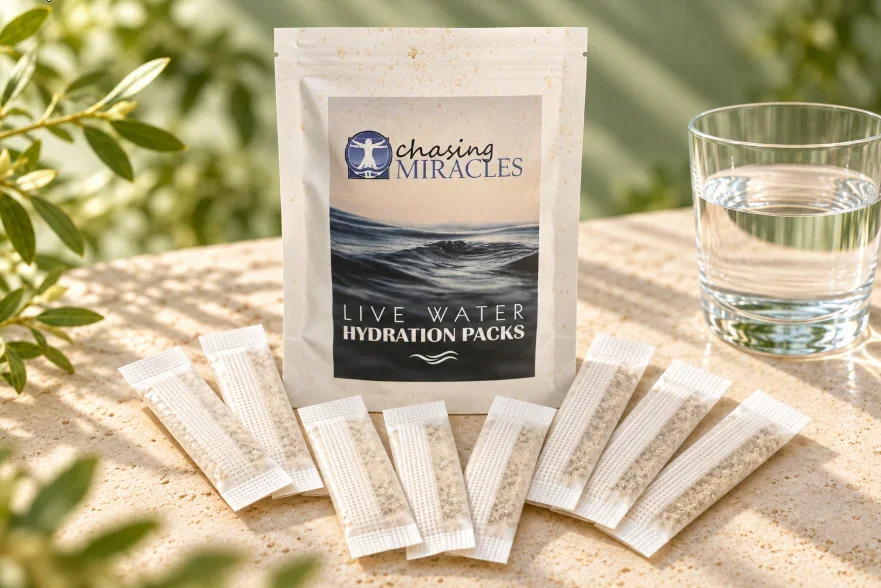 Chasing Miracles hydration water packs are small, portable sachets designed to be added directly to bottled or tap water, according to the manufacturer. The packets instantly turn ordinary drinking water into oxygen-rich alkaline mineral water to support natural hydration and body balance. These are available at Pathways Holistic Center.
The Power of Water-Rich Foods in Physical Hydration
Fruits and Vegetables that Boost Physical Hydration for Health
-
Cucumber: A champion of hydration
-
Celery, Cantaloupe, Oranges, Grapefruit
-
Tomatoes, Bell Peppers, Zucchini, and Leafy Greens
-
Radishes, Broccoli, Cauliflower, Cabbage
-
Watermelon as one member of the hydration family, not the star

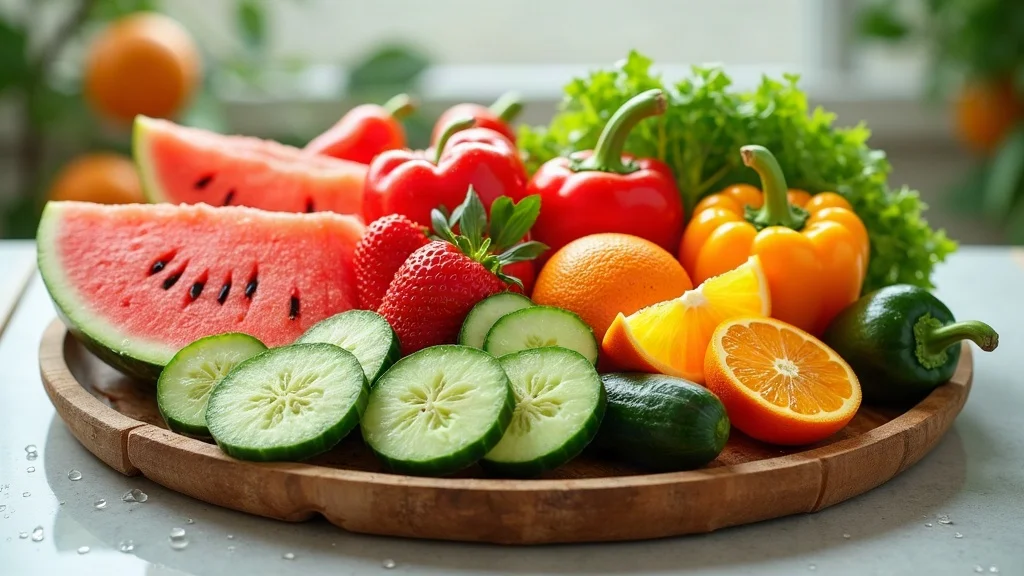
Fruits and vegetables serve as powerful allies in supporting physical hydration for health. Cucumber tops the list for water content, bringing crisp refreshment and nutrients to any meal. Oranges, grapefruit, cantaloupe, and watermelon offer not only hydration but also vitamins like vitamin C and potassium, contributing to overall electrolyte balance. Leafy greens such as lettuce may seem less juicy, yet they quietly deliver both moisture and minerals. Vegetables like celery, tomatoes, bell peppers, zucchini, radishes, broccoli, cauliflower, and cabbage provide a diverse mix of water and micronutrients, ensuring your rehydration comes with nutritional benefits. Instead of singling out watermelon, Pathways Holistic encourages including a broad color palette of produce to nourish every cell, support digestion, and gently replenish water lost through sweating or daily activity.
Nourishing Soups, Broths, and Herbal Teas
-
Warm beverages for cooler seasons
-
How soups and broths support daily water intake
-
Herbal teas as mineral-rich hydration options
Don’t underestimate the role warm liquids play in hydration. Especially in fall and winter, when raw fruits and vegetables may lose their appeal, nourishing soups and broths provide an accessible way to drink enough water while delivering vitamins, minerals, and warmth. Broths—especially homemade vegetable or bone broths—supply not just water, but also sodium, potassium, and magnesium, helping restore the body’s fluid and electrolyte balance. Herbal teas offer a mineral-rich, caffeine-free hydration source; for added benefit, choose blends focused on nettle, hibiscus, or mint. For variety, Pathways Holistic recommends rotating between homemade soups, teas, and warm lemon water to boost total fluid intake and keep hydration rituals comforting and enjoyable.
Cultured Foods, Sprouts, and Sea Vegetables for Whole-Body Hydration
-
Including fermented and living foods
-
Sea vegetables—minerals and hydration
-
Pathways Holistic’s approach to whole-food nourishment
Cultured and living foods like fermented vegetables made at Pathways (Probiotic Salad) —sauerkraut, kimchi, and fresh sprouts — do more than diversify your palate; they provide water and bioavailable minerals that support optimal physical hydration for health. Pathways Holistic emphasizes that sea vegetables such as nori, dulse, and kelp are especially valuable for their concentrated iodine, magnesium, potassium, and calcium. These nutrients support stable blood pressure, cellular hydration, and the body’s normal detoxification pathways. Including a small serving of fermented or sea vegetables alongside your regular meals is a unique, holistic way to support internal hydration, encourage healthy digestion, and extend the benefits of water-rich foods.
For a deeper dive into how nourishment extends beyond hydration and supports every aspect of well-being, you might find it helpful to explore Pathways Holistic’s whole-package approach to nourishment. This perspective highlights how hydration, nutrition, and lifestyle choices connect to support optimal health.
Beyond Water: Minerals, Electrolytes, and Physical Hydration for Health
Why Electrolytes Matter in Daily Water Intake
-
The essential roles of potassium, sodium, magnesium, calcium, and chloride
-
How a varied whole-food diet provides natural electrolytes
-
Distinguishing nutrition facts from exaggerated claims
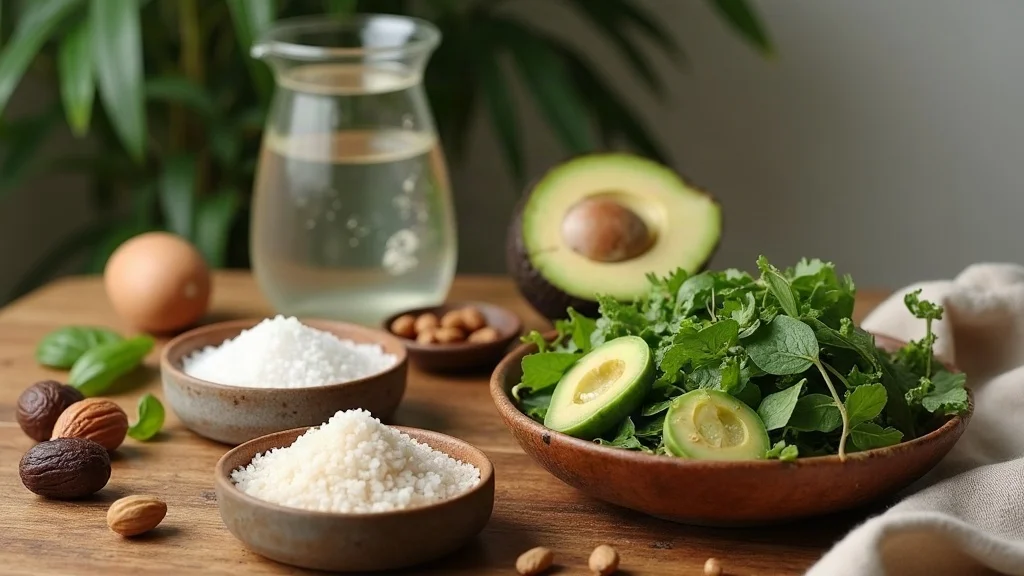
Good hydration goes far beyond what you drink—it’s about how the body manages and uses fluids at the cellular level. Key electrolytes—including potassium, sodium, magnesium, calcium, and chloride—enable the body to balance fluids, conduct nerve impulses, and contract muscles. When your diet includes leafy greens, nuts, seeds, avocados, and unrefined sea salt, you build a foundation for stable energy, steady blood pressure, and resilient muscle function. While the market is saturated with sports drinks promising instant hydration, most healthy adults can get enough electrolytes from a balanced, whole-foods diet—without sweetened beverages or supplements. Listen to your body, notice signs of mild dehydration, and prioritize nourishing foods over processed options.
Physical Hydration for Health: How Nutrition and Digestion Interact
Hydration’s Role in Digestion, Absorption, and Elimination
-
Supporting healthy digestive function
-
Hydration, bowel regularity, and whole-body wellness
-
Pathways Holistic observations: Brain fog, internal awareness, and fluid needs
Hydration’s significance is closely tied to digestive function. Water not only helps break down food and transport nutrients across the intestinal lining, but it’s also vital for regular elimination and detoxification. In Pathways Holistic’s approach, chronic dehydration can lead to subtle symptoms: mild brain fog, sluggish digestion, or irregularity. Older adults, people with chronic diseases, and those taking medications should pay special attention to their total water balance, as both insufficient and excess fluid can disrupt the body’s internal rhythm. Instead of waiting for obvious thirst, pay attention to subtler cues—mental fog, dry skin, sluggish bowels, and a feeling that your body needs a gentle internal cleanse may signal the need to adjust your hydration habits.
Seasonal Changes and Individual Needs: Customizing Physical Hydration for Health
Adapting Hydration Strategies throughout the Year
-
Summer: Cooling fruits, water-rich vegetables
-
Fall and winter: Warm broths, cooked foods, herbal teas
-
Listening to the body’s changing needs
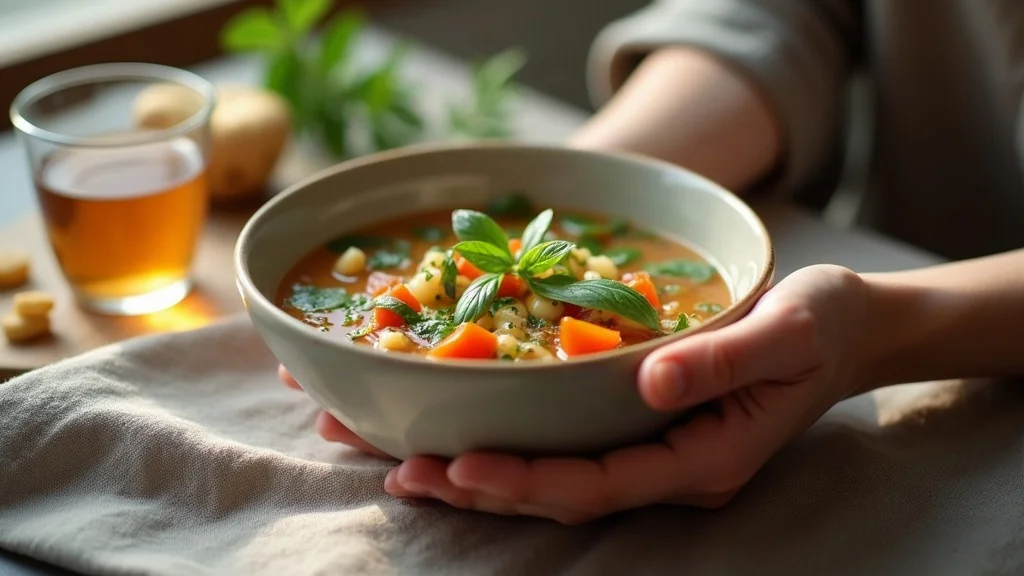
Just as nature shifts throughout the year, so do your hydration needs. During the bright months of summer, reach for cooling fruits—melon, berries, citrus—and water-heavy salads that help balance water lost through sweating. As days grow cooler, focus on hydrating soups, broths, and gently cooked vegetables to stay hydrated and maintain sustained energy. Herbal teas can provide warmth and nourishment in cold weather, becoming a daily ritual that helps you stay hydrated. Most importantly, cultivate awareness: notice how your energy, skin, and digestion shift with the seasons. Physical hydration for health isn’t static; it adapts naturally to your life rhythm.
Recognizing Signs and Symptoms of Dehydration
-
Beyond thirst: skin changes, energy, digestion, and cognitive clarity
-
Special considerations for older adults, activity, medications, and climate
Mild dehydration isn’t always signaled by thirst alone. Dry mouth, dull skin tone, fatigue, lack of focus, and sluggish digestion can all hint at water loss that hasn’t yet triggered thirst. Older adults, as well as those living with chronic diseases or taking medications that influence fluid retention, may have altered thirst perception and need tailored hydration plans. Be aware if you recently increased physical activity level, or spent time in air conditioning, as these can accelerate water loss without obvious sweating. When in doubt, err on the side of including more water-rich foods, soups, and whole-food minerals.

Think Nourishment, Not Just Numbers: A Pathways Holistic Approach to Physical Hydration for Health
-
Why rigid measurements may not work for everyone
-
Creating the right conditions for healthy fluid balance
-
Mindful, individualized hydration strategies
Rigid formulas—like “eight glasses a day” or “half your body weight in ounces”—might work as starting points but rarely fit everyone’s life. For true physical hydration for health, think in terms of the day’s overall nourishment: pure water, fresh produce, nourishing broths, herbal teas, and natural mineral sources. Create conditions that help the body absorb and use the fluids you consume. Listen deeply to your body’s changing signals and be flexible—adjusting your habits for seasons, aging, stress, or new activity levels. Pathways Holistic’s philosophy centers on mindful, personalized approaches that help you make hydration a natural part of daily self-care, not a rigid checklist.
Water Content in Common Hydrating Foods
|
Food |
Water Content (%) |
|---|---|
|
Cucumber |
96 |
|
Celery |
95 |
|
Lettuce (Romaine) |
95 |
|
Watermelon |
92 |
|
Tomato |
94 |
|
Bell Pepper |
92 |
|
Grapefruit |
91 |
|
Cantaloupe |
90 |
|
Broccoli |
89 |
|
Cauliflower |
92 |
|
Zucchini |
94 |
|
Oranges |
87 |
|
Radishes |
95 |
|
Cabbage |
92 |
Quotes on Physical Hydration for Health
“Hydration is not something we do to the body. It’s part of how we nourish the body —Sherry, Pathways Holistic”
“Water is essential, but it’s only one piece of the full hydration picture.”
Key Takeaways on Physical Hydration for Health
-
Hydration comes from more than just drinking water
-
Include water-rich foods, minerals, and electrolytes
-
Listen to your body’s signals rather than following rigid advice
-
Support digestion and overall health with mindful hydration
People Also Ask: Physical Hydration for Health
What’s the healthiest way to hydrate your body?
-
Prioritize drinking pure water, consume water-rich fruits and vegetables, and include mineral-rich foods to support electrolyte balance. Adjust hydration strategies to your needs and activity level for optimal health.
How long after drinking water does it actually hydrate you?
-
Absorption begins within minutes and usually completes in about 30–60 minutes, though this can vary based on factors such as stomach contents and hydration status.
What hydrates a body faster than water?
-
While water is generally the fastest way to hydrate, beverages containing electrolytes, such as diluted juices or oral rehydration solutions, may restore balance more efficiently in certain high-need situations.
FAQs about Physical Hydration for Health
-
Can I meet my daily water intake through food?
-
Do all fruits and vegetables hydrate equally?
-
Are there signs I should look for to check my hydration status?
-
Should older adults and those with chronic diseases hydrate differently?
-
Does drinking more water always improve skin health?
Next Steps for Supporting Physical Hydration for Health
-
For personalized guidance to answer these questions and optimize your physical hydration for health, visitPathwaysHolistic.comor call (610) 966-7001.
Take action today—explore mindful hydration for lifelong health and vitality.
If you’re inspired to take your wellness journey even further, consider how hydration fits into the broader landscape of nourishment and holistic health. The article Nourishment: The Whole Package offers a comprehensive look at how integrating mindful eating, hydration, and lifestyle practices can create a foundation for lasting vitality. Exploring these interconnected strategies can help you move beyond quick fixes and embrace a truly holistic approach to well-being. Let your next step nourish your body, mind, and spirit in harmony.