Discover the Hidden Power of hydrogen water for Better Health
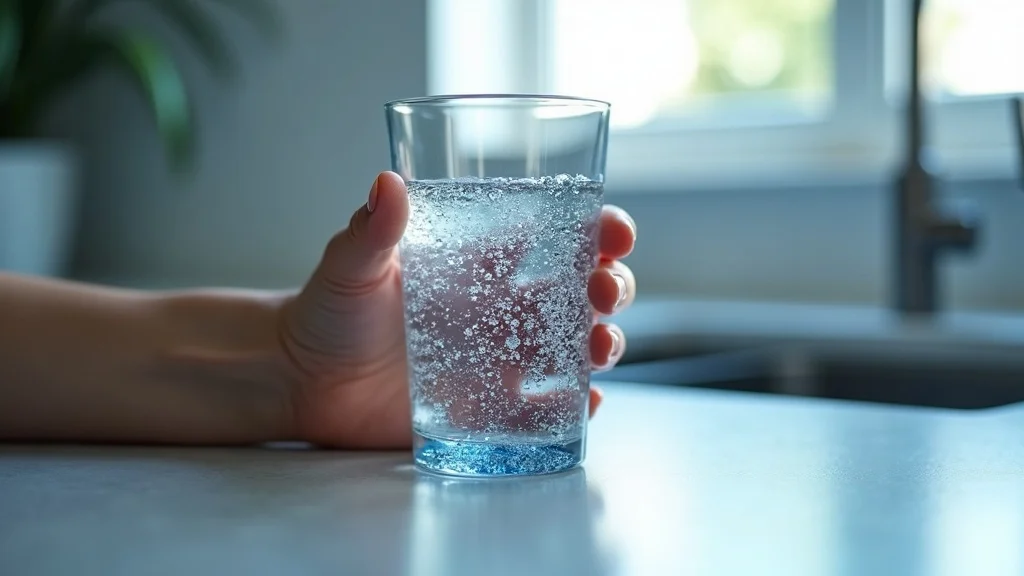
Picture this: it’s early morning in a sunlit kitchen, and you reach for a crystal-clear glass bubbling gently with invisible hydrogen gas. As you drink, you’re not just hydrating—you’re potentially tapping into a new frontier of wellness that’s captivating athletes, health enthusiasts, and biohackers alike. Could drinking hydrogen water unlock benefits that plain water simply can’t?
Exploring Hydrogen Water: A New Frontier in Wellness
The allure of hydrogen water is growing rapidly, capturing interest from those seeking new ways to boost energy, aid recovery, and optimize well-being. But what exactly makes this beverage stand out from regular water or even so-called “rich water” options? At its core, hydrogen water is simply water infused with extra molecular hydrogen gas—colorless, tasteless, and, as proponents like health expert Gary Brecka emphasize, potentially transformative.
Hydrogen water’s rise isn’t just a fleeting trend. It is propelled by a mix of enthusiastic testimonials, early-stage research, and debate among scientists and wellness advocates. Those who drink hydrogen water report feeling more refreshed after workouts, improved focus, and a subtle but noticeable boost to their daily routine. Meanwhile, the underlying science—centered around the smallest, most penetrative molecule in existence—is being rigorously explored through controlled trials and laboratory studies. Whether you’re a seasoned wellness devotee or simply curious, hydrogen water presents a fascinating subject worthy of a closer look.
-
Understand what hydrogen water is and how it’s produced
-
Learn about its core health benefits and potential side effects
-
Hear expert insights, including perspectives from Gary Brecka
-
Examine research evidence, safety considerations, and misconceptions
-
Find practical tips for integrating hydrogen water into your lifestyle

What You’ll Learn About Hydrogen Water
Curious about what sets hydrogen water apart from mineral-rich water or even the regular water in your glass? In this article, you’ll discover:
-
What is hydrogen water, and why is it gaining attention?
-
The science behind the health benefits of hydrogen water
-
Potential side effects and safety for healthy adults
-
Expert opinions, including Gary Brecka’s view on hydrogen water
-
How to consume hydrogen water for optimal results
The Observational Rise of Hydrogen Water in Health Circles
Hydrogen water has shifted from being a niche interest to a prominent topic among athletes, biohackers, and everyday wellness seekers. Social media posts and trending wellness forums are awash with stories of improved energy, sharper thinking, and faster workout recovery—all linked to routine hydrogen water consumption. Young professionals can be spotted at trendy cafés swapping cans of this innovative drink, each canister humming quietly as tiny hydrogen bubbles form.
It’s not just clever marketing fueling this rise. Influencers, health coaches, and experts like Gary Brecka highlight their experiences with hydrogen water, sharing routines and perceived benefits on podcasts and in posts. This merging of anecdote and science encourages a growing wave of experimentation, as more people wonder whether drinking hydrogen water can truly offer advantages beyond what has long been promised by “rich water” and other enhanced beverages.

Why Hydrogen Water Has Captured Public Imagination
There’s a certain mystery in the simplicity of hydrogen water. Unlike drinks loaded with exotic herbs or sweeteners, its formula is elegant: pure H₂ gas infused under pressure into water, creating an effervescent yet almost flavorless beverage. People are captivated by the idea that something so neutral-tasting could quietly deliver powerful effects—especially at the microscopic, cellular level.
Health circles often embrace what’s new or unorthodox, but the intrigue around hydrogen water stems from more than novelty. The science—still emerging but exciting—suggests that hydrogen’s unique molecular size may help it cross cell membranes and neutralize free radicals where other antioxidants might fail. Combined with energizing testimonials from athletes and edgy wellness advocates touting rapid recovery and mental clarity, it’s no wonder hydrogen water has become a conversation-starter at gyms, clinics, and trendsetting hangouts.
Understanding Hydrogen Water: What Sets It Apart from Rich Water and Regular Water
Hydrogen water is frequently compared to regular water and to mineral-rich, or “rich water,” water options that promise enhanced hydration or wellness. But what truly differentiates these beverages? To make sense of the landscape, it’s helpful to examine each option by its composition, potential health benefits, and common uses.
Below, this table highlights what you’re actually drinking when you opt for regular water, rich water, or hydrogenated water—and why hydrogen water stands out in terms of antioxidant activity and biohacking appeal.
|
Water Type |
Key Component |
Potential Benefits |
Popular Uses |
|---|---|---|---|
|
Regular Water |
H2O |
Hydration, metabolism |
Daily hydration |
|
Rich Water |
Minerals, sometimes added hydrogen |
Enhanced taste, possible minor benefits |
Wellness routines |
|
Hydrogen Water |
Infused H2 |
Antioxidant support, reduced oxidative stress |
Biohacking, sports recovery |
The Science and Mechanisms: How Drinking Hydrogen Water Interacts with the Body
Unlike plain water, hydrogen water delivers molecular hydrogen—an element so small it can traverse biological barriers other antioxidants cannot. This unique property puts it in the spotlight, especially for those seeking potential protection from oxidative stress and its associated health challenges. Early research and clinical trial reports suggest that drinking hydrogen water may help improve the body’s resilience and recovery, especially for those who engage in regular physical activity or seek additional support for metabolic wellness.
The secret lies in hydrogen molecules’ easy passage into cells. Once inside, hydrogen is thought to neutralize the most damaging free radicals—specifically, hydroxyl radicals—without interfering with so-called “signaling” reactive oxygen species that the body actually needs. It’s this selectivity and ability to reach the mitochondria (the cell’s energy generators) that have advocates describing hydrogen water as a game-changer for both energy and overall cellular function.
For those interested in how hydration and detoxification strategies can work together, exploring colon hydrotherapy as a complementary approach to total detox may offer additional insights into optimizing your body’s natural cleansing processes alongside hydrogen water.
Molecular Hydrogen: The Smallest, Most Penetrative Antioxidant
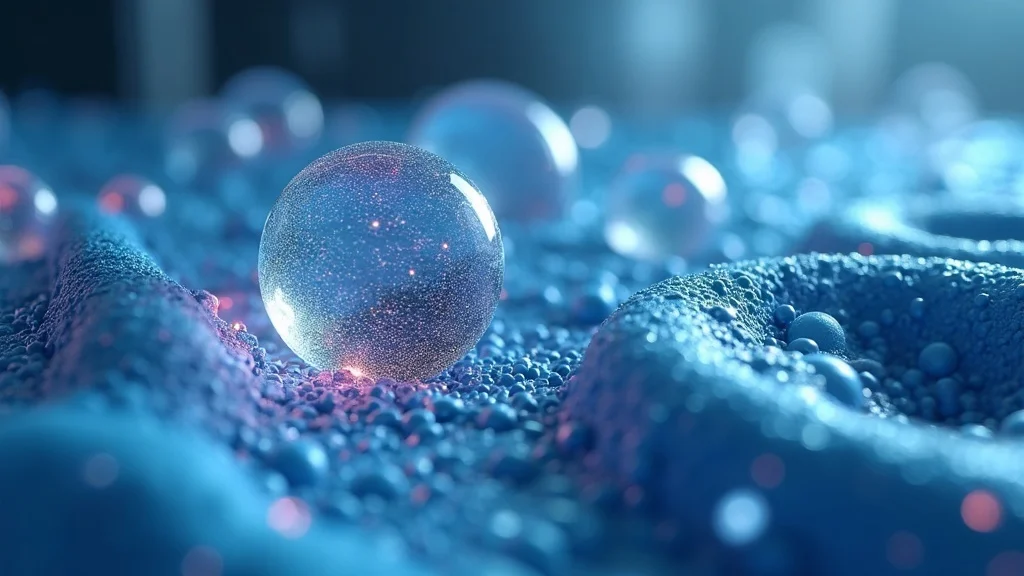
Molecular hydrogen (H₂) is not just another buzzword—it represents the tiniest molecule known, allowing it to pass through cell membranes and even reach deep within the mitochondria. This size advantage is a key differentiator when comparing the effects of drinking hydrogen water with those of consuming traditional antioxidants like vitamin C or E, which tend to act elsewhere in the body.
The antioxidant properties of molecular hydrogen also lie in its selectivity. While some antioxidants indiscriminately target all free radicals—potentially disrupting healthy cellular signaling—hydrogen seeks out the most reactive and destructive radicals, specifically those linked to oxidative damage and cellular aging. In animal studies and initial trials in healthy adults, consumption of hydrogen water altered oxidative stress markers, suggesting its potential to enhance protection and recovery after strenuous activity.
Hydrogen Water Versus Alkaline Water: Brecka’s Distinction
One of the most common misconceptions is that the pH of water—how ‘alkaline’ or ‘acidic’ it is—matters more than the actual content of molecular hydrogen. Gary Brecka, a leading voice in the wellness field and biohacking community, is clear: “It’s not about pH. The active agent is the hydrogen molecule, not alkalinity. ” While alkaline water and hydrogenated water sometimes overlap on store shelves, their effects and mechanisms are distinct. Brecka’s insights help clarify why the molecular component of hydrogen water is central to any wellness effects discussed, guiding consumers toward what may truly matter.
“It’s not about pH. The active agent is the hydrogen molecule, not alkalinity.” — Gary Brecka
Marketing trends often blur these lines, but if you’re focused on biohacking or reducing oxidative stress, it’s important to seek out water that is demonstrably rich in hydrogen molecules rather than simply boasting a higher pH.
How Hydrogen Water Targets Oxidative Damage and Oxidative Stress
Oxidative stress is a byproduct of modern living. From intense physical activity to environmental pollution, our bodies constantly battle the influence of free radicals. These highly reactive molecules can cause damage to DNA, proteins, and cellular membranes—contributing, in part, to aging and many chronic diseases. Clinical trials involving hydrogen water have shown that the unique properties of hydrogen gas allow it to selectively neutralize the most harmful radicals—namely, hydroxyl radicals—without shutting down essential cellular processes.
This targeted action contrasts with that of many broad-acting antioxidants. Hydrogen’s focused impact helps to support metabolic processes, aid in cellular repair, and may even improve post-exercise recovery. When incorporated alongside a balanced diet and regular water intake, hydrogen water offers a nuanced tool in the ongoing quest to manage oxidative damage and maintain peak wellness, as outlined in both emerging research and enthusiastic firsthand reports.
Health Benefits of Hydrogen Water: What Does Evidence Say?
-
Neutralizing harmful oxidative stress at a cellular level
-
Possible improvements in circulation and cognitive clarity
-
Faster workout recovery and enhanced energy levels
The health benefits of hydrogen water are at the center of expert debate and growing research focus. One of the core claims is its ability to support the body’s defenses against oxidative stress, which is deeply connected to both aging and physical recovery. Some studies in healthy adults and athletes have shown that those who drank hydrogen water regularly reported a faster reduction in muscle fatigue and improved cognitive measures, such as clarity and reaction time.
In some controlled trial settings, hydrogen-enriched water was compared with plain water or even a placebo group, often with assessments of metabolic markers or physical performance over several weeks. While large-scale clinical trials remain limited, the evidence so far points to incremental gains—most notably in muscle recovery, subjective energy, and even circulation. That said, more research is needed before definitive public health recommendations can be made, but the enthusiasm among wellness leaders, including Gary Brecka, remains strong.
Controlled Trial Insights: What Studies Reveal About Drinking Hydrogen Water
Controlled trials investigating the effects of drinking hydrogen water have delivered promising, if early, insights. For instance, some research has monitored changes in body mass index, oxidative damage, and recovery time between those consuming hydrogenated water and a placebo group receiving regular water. Most trials have been small and focused on short-term outcomes, but a pattern of improved energy levels, reduced signs of oxidative stress, and a faster return to baseline physical function has emerged—especially among athletes and those with high daily physical activity levels.
Experts like Brecka believe these initial signals warrant broader experimentation. He often emphasizes the modest yet reliable performance gains and recovery speed he notices in his routines, particularly when hydrogen water is paired with structured fitness and wellness regimens. The emerging consensus is not that hydrogen water is a miracle, but that its potential health impact—when combined with smart lifestyle choices—deserves real consideration for those aiming to optimize mind and body.
“Hydrogen water is the greatest biohack on Earth.” — Gary Brecka

Potential Side Effects and Safety Considerations of Drinking Hydrogen Water
As with any health trend, safety and side effects are frequent concerns among those looking to start drinking hydrogen water. For healthy adults, studies to date indicate that hydrogenated water is generally well tolerated when consumed in standard amounts. Since it’s mostly water with dissolved hydrogen gas, its effect profile is comparable to that of regular water for most people. However, it’s always wise to be aware of any changes in your body when introducing something new—and to seek guidance from a healthcare professional if you have existing conditions, notably metabolic syndrome or kidney concerns.
The most commonly reported “side effect” isn’t harmful in itself: some people mention a slightly unusual or fizzy sensation immediately after drinking, likely due to the added hydrogen gas. There’s no clear evidence so far that hydrogen water disrupts mineral balance, affects kidney function, or leads to adverse reactions in healthy populations. However, scientific reviews note the importance of moderation, clear labeling, and continued research, especially for children, people with sensitive systems, or those with complex medical backgrounds.
Side Effects and What Healthy Adults Should Know
For healthy adults, the side effects of hydrogen water reported in available clinical trials and observational studies are minor and transient. Mild bloating or a gassy feeling may occur after drinking, particularly when ingesting large volumes quickly. This is attributed to the rapid influx of hydrogen gas into the digestive tract. Unlike certain mineral-rich water varieties, hydrogenated water does not alter basic body chemistry or electrolyte balances in healthy individuals. Still, those with gastrointestinal sensitivities or disorders might want to start gradually, observing their body’s response to increased water consumption before making hydrogen water a daily habit.
No toxic effects or serious reactions have been identified in research involving healthy volunteers. Nevertheless, it’s always best to use new wellness products with a cautious, stepwise approach—especially if you’re already focused on your metabolic health, body mass index, or have any active medical conditions.

Is Hydrogen Water Safe for Kidneys and Sensitive Populations?
Early evidence suggests hydrogen water is safe for the vast majority of people, including those with normal kidney function. Because hydrogen gas has no known adverse interaction with the kidneys, it does not burden filtration or excretion processes the way some supplements or highly concentrated beverages might. However, anyone with compromised kidney function, significant electrolyte imbalance, or chronic health conditions should speak with their doctor before adding hydrogenated water to their regular routine—just as they would with any new supplement or wellness method.
Older adults and those in sensitive populations may benefit from gradual introduction and careful tracking of their response. The low risk profile is reassuring, but as always, individualized care and attention to new symptoms are key to safe experimentation.

Why Might Some People Feel ‘Weird’ After Drinking Hydrogen Water?
It’s not uncommon for first-time drinkers of hydrogen water to notice a ‘light’ or ‘fizzy’ sensation. Sometimes described as feeling briefly “weird,” this effect is linked to bubbles of hydrogen gas escaping as you swallow. Unlike carbonation in soda, which relies on carbon dioxide, hydrogen bubbles don’t alter taste much but can feel unfamiliar. Typically, this sensation subsides quickly and leaves no lasting discomfort.
If you do experience persistent bloating, digestive upset, or other new symptoms, consider reducing your intake or spacing out consumption. It’s worth noting that most reported odd sensations are linked to high initial intake, rather than any toxic or truly harmful effect of the hydrogen itself.
Risks, Myths, and Common Misconceptions
Beyond side effects, hydrogen water faces its share of misconceptions. Chief among these: the idea that it can replace medical therapies, radically reverse diseases, or serve as a one-size-fits-all miracle. Some sources exaggerate its abilities, while others conflate it with alkalized water—despite clear scientific distinctions highlighted by authorities such as Gary Brecka. As with any health trend, skepticism is healthy, and it’s important to differentiate between promising early research and overreaching marketing claims.
The bottom line? Hydrogen water offers unique potential health benefits, especially in supporting oxidative balance, but it’s not a cure-all. Use critical thinking, consult healthcare professionals, and track genuine improvements rather than chasing hype.
Expert Views on Drinking Hydrogen Water: Highlights from Gary Brecka and Other Authorities
-
How Gary Brecka consumes hydrogen water daily
-
Comparison with other wellness advocates’ perspectives
-
Skepticism and enthusiasm within the health community
Gary Brecka, prolific in biohacking circles and host of the Ultimate Human podcast, has made hydrogen water a staple in his wellness toolkit. He drinks it multiple times a day, often before intense workouts or hyperbaric oxygen sessions, citing faster recovery and a subjective sense of boosted energy. His argument rests on molecular hydrogen’s unparalleled ability to permeate cellular membranes, directly neutralize damaging free radicals, and leave crucial cell signaling untouched—something he says even the best-known antioxidants can’t do.
Brecka isn’t alone; other wellness leaders echo his enthusiasm, reporting improved focus and less post-exercise soreness since integrating hydrogen water into their routines. At the same time, the mainstream medical community urges tempered optimism, prioritizing larger, long-term trials to separate short-lived trends from true breakthroughs. The consensus is clear: hydrogen water deserves attention, but always as part of a balanced, evidence-informed approach to health.
Practical Tips: How to Add Hydrogen Water to Your Health Routine
Ready to try hydrogen water? Start slow and intentionally. Incorporate it into times when hydration is most valuable—such as first thing in the morning, after a workout, or before periods of focused mental activity. Pair it with a balanced diet and active lifestyle for maximum effect. If you get your hydrogen water from bottled products, ensure the packaging clearly indicates both the hydrogen concentration and the infusion method. Portable hydrogen water generators or tablets offer convenient options for home and travel; just double-check certifications and reviews for product efficacy and purity.
Remember: lasting changes come from consistency, moderation, and attunement to how your body reacts. Hydrogen water is best viewed as a tool in your overall wellness arsenal, not a shortcut to health or a substitute for medical care.
Best Times and Ways to Drink Hydrogen Water
The optimal moments to enjoy hydrogen water are much like those for regular water: before or after physical activity, during periods of focused cognitive work, or to complement a healthy meal. Many advocates, including Gary Brecka, recommend starting your day with hydrogen water to capitalize on its potential to revitalize cells and support metabolic activity after sleep. For athletes or those with demanding daily schedules, sipping hydrogen water post-workout may also enhance recovery and hydration.
Use a water bottle designed to retain dissolved hydrogen—some materials can allow the hydrogen gas to escape quickly. Freshly prepared hydrogen water delivers the highest possible concentration of active molecules, so time your intake for when you can access recently infused or minimally stored product.
Choosing Quality Hydrogen Water Products
With hydrogen water’s popularity growing, the market now offers a wide range of infused products—from ready-to-drink bottles to home hydrogen generators and dissolvable tablets. Look for brands that publish third-party testing verifying hydrogen concentration and guarantee low oxygen exposure to prevent rapid dissipation. High-quality bottles and generators often use stainless steel or glass to preserve molecular hydrogen for longer periods. Avoid products that sidestep transparency regarding their manufacturing process or brag more about pH than actual hydrogen content.
If you’re seeking the benefits of hydrogen water, prioritize purity, clear labeling, and ease of use. Avoid falling for “alkaline water” claims unless they explicitly specify infused H₂, as pH-bumping alone does not deliver hydrogen’s unique antioxidant or recovery mechanisms.
People Also Ask
What is the side effect of hydrogen water?
For most healthy adults, hydrogen water has minimal side effects. The most common reports involve mild bloating or a feeling of ‘buzziness’ after drinking, mainly due to the release of dissolved hydrogen gas as bubbles. No serious adverse reactions have been identified in studies. If you have existing digestive sensitivities, consider starting with small volumes and observing how your body feels. As with any supplement or wellness routine, moderation is key.
Why do I feel weird after drinking hydrogen water?
The feeling of ‘weird’ is often attributed to the novelty of drinking bubbly or “fizzy” water, which is created by dissolved hydrogen gas. This effect typically lasts only a few minutes and is harmless; it differs from the sensation of carbonated soda. The body quickly adapts to this new form of hydration, but if discomfort persists or you notice digestive annoyance, scale back your intake and consult a healthcare professional when in doubt.
Is hydrogen water safe for kidneys?
Current research suggests that hydrogen water is as safe for the kidneys as regular water when consumed in moderate amounts. Because hydrogen gas is non-toxic and not processed by the kidneys the way some minerals or medications are, it poses no additional filtration stress. However, anyone with pre-existing kidney issues should speak with their nephrologist or physician before introducing new supplements or specialized beverages.
Why do the Japanese drink hydrogen water?
Hydrogen water became popular in Japan as part of the country’s early adoption of advanced wellness trends and functional beverages. Japanese researchers were among the first to explore the antioxidant effects of molecular hydrogen, sparking both public enthusiasm and continued scientific investigation. Today, many Japanese people drink hydrogen water for its purported anti-aging and recovery benefits, while ongoing studies in the country continue to refine our understanding of its potential health impacts.
FAQs on Hydrogen Water
-
Can hydrogen water improve exercise recovery?
Some clinical trials and personal reports indicate that regular drinking of hydrogen water may reduce exercise-related fatigue and speed muscle recovery, likely due to its selective neutralization of damaging free radicals. -
Does hydrogen water have calories?
No, hydrogen water contains no calories—just like plain water. -
Is hydrogen-rich water suitable for all ages?
Though generally safe for healthy adults and older teens, the long-term effects in children or those with medical conditions haven’t been fully studied. Consult a pediatrician for children or anyone with chronic health concerns. -
What differentiates molecular hydrogen from other antioxidants?
Molecular hydrogen is uniquely small, allowing it to reach areas within the cell, such as the mitochondria, that larger antioxidants cannot reach. Its selectivity in neutralizing hydroxyl radicals also sets it apart.
Key Considerations Before You Try Hydrogen Water
-
Discuss with a healthcare professional if you have existing conditions
-
Do not use hydrogen water as a replacement for medical therapies
-
Monitor your body’s reactions and start with small amounts

Final Thoughts on the Potential of Hydrogen Water
Hydrogen water offers an intriguing, science-backed approach to modern wellness—especially for those aiming to reduce oxidative stress, enhance recovery, and explore biohacking. Use it wisely, track your own results, and stay tuned for growing evidence.
If you’re inspired to take your wellness journey even further, consider exploring the broader benefits of holistic therapies that support your body’s natural resilience. For example, infrared sauna sessions can complement your hydrogen water routine by promoting detoxification, relaxation, and improved circulation. By integrating advanced hydration strategies with restorative practices, you can unlock a more comprehensive approach to health and vitality—empowering you to feel your best every day.
Systemic Molecular Hydrogen with Oxygen Therapy at Pathways.
Pathways offers hydrogen-oxygen therapies in 30-, 45-, or 60-minute sessions. It can be hydrogen with or without oxygen.
In addition, you can purchase hydrogenated water to take, and its therapeutic effects last up to 30 to 120 minutes. You can order it to go.
Contact us to explore how you can benefit from this impressive therapy!