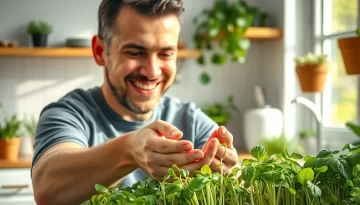
Discover How Sprouting for Life Can Boost Your Wellness Today
Have you ever wondered how a handful of tiny sprouts could transform the way you feel each day? My own wellness journey took a remarkable turn the moment I brought sprouting for life into my kitchen. Watching those emerald shoots burst from seemingly lifeless seeds wasn’t just satisfying—it sparked a vibrant new chapter of energy, health, and joy in my life. Whether you’re a foodie, a wellness beginner, or a curious gardener, this exploration reveals how anyone can use the simple act of growing and eating sprouts and microgreens to unlock lasting benefits for body and mind.
Why Sprouting for Life Matters: A Personal Perspective on Daily Wellness Gains
“Incorporating sprouting for life into my daily meals has transformed not just my energy, but my entire outlook on wellbeing.”
When I first heard about sprouting for life, the idea sounded simple—just add fresh sprouts or microgreens to a meal. But what began as a minor change quickly became a catalyst for better sleep, improved focus, and greater motivation to make other positive habits stick. Many successful wellness advocates, including Doug Evans—author of the Sprout Book and a well-known figure on wellness podcasts—swear by the routine of eating sprouts daily for the dense nutrition and practical ease they provide.
It’s not just anecdotal, either. Research from respected sources, including features in the New York Times, points to measurable gains in nutrient absorption, antioxidant load, and gut health. When you eat sprouts, you grant your body quick access to vitamins, minerals, and living enzymes that are often lost in packaged or overcooked foods. For me, the journey from a sluggish morning to energetic days started with a single sprouting jar on my kitchen counter—opening a door to the world’s most living, nutritious food.
What You’ll Learn About Sprouting for Life
-
The nutritional advantages of sprouting for life
-
How to incorporate sprouts and microgreens into your routine
-
Expert insights from Doug Evans and leading “sprout book” resources
-
Potential risks and who should avoid certain sprouted foods
-
Practical tips for preparing and storing nutritious food sprouts

The Nutritional Science Behind Sprouting for Life
Sprouting for Life: Turning Simple Seeds into Nutritious Food
Sprouting for life is a unique way to unlock the natural power hidden inside seeds, legumes, and grains. Unlike mature vegetables, sprouts and microgreens are concentrated forms of nutritious food because the germination process breaks down enzyme inhibitors, allowing your body to better access proteins, minerals, and vitamins. Whether it’s mung bean, green peas, or the well-loved broccoli sprouts, the transformation from dry seed to living sprout infuses your diet with potent antioxidants, living enzymes, and vital nutrients that often fade during lengthy chains of shipping and storage at the grocery store.
This living food movement, celebrated by sprout book authors and nutritionists alike, introduces you to a world where kitchen counters become gardens, and every handful of homegrown greens delivers fresh produce at its nutritional peak. Numerous studies highlight that freshly grown sprouts can contain up to 40 times more vital phytochemicals than their fully grown counterparts, positioning sprouting for life as a leading method for delivering rapid, affordable, and sustainable health benefits in the modern home.
Broccoli Sprouts as a Key Component in Sprouting for Life
-
High sulforaphane concentration
-
Antioxidant power
-
Comparison with mature vegetables (nutritious food, broccoli sprouts)

Broccoli sprouts have become the crown jewel of the sprouting for life movement, partly due to their staggering concentration of sulforaphane, an organosulfur compound recognized for its cellular health support and antioxidant firepower. Doug Evans makes special note of this in his bestselling Sprout Book, highlighting studies showing that consuming broccoli sprouts—even in small servings—delivers a much higher dose of sulforaphane than full-grown broccoli heads. For anyone focused on long-term wellness, detoxification, and prevention, broccoli sprouts represent a smart, science-backed strategy to elevate the nutritional profile of everyday meals.
Beyond detox benefits, broccoli sprouts are easy to grow at home, requiring only basic supplies like jars and filtered water. Their fresh, delicate flavor complements salads, grain bowls, and even smoothies. If there’s one sprout worth highlighting as foundational in a nutritious food routine, broccoli sprouts easily take the top spot.
Microgreens and Other Powerhouse Sprouts for Wellness
-
Radish, cress, alfalfa, chia, and red clover sprouts
-
Supporting evidence from “Doug Evans” and the “Sprout Book”
The sprouting-for-life journey isn’t limited to just broccoli. Radish, cress, alfalfa, chia, and red clover are among the most celebrated varieties—each offering unique flavors and nutrients. Radish sprouts lend a peppery zest that’s rich in vitamin C; alfalfa and red clover combine to provide gentle, nutty flavors loaded with vitamins A, C, and K. According to Doug Evans and experts in the sprout book community, diversifying your sprout selection ensures you receive a balanced mix of phytonutrients, antioxidants, and enzymes from multiple sources.
Chia sprouts, in particular, stand out because they’re naturally high in omega-3 fatty acids, protein, and fiber. While these tiny powerhouses may seem unassuming, scientific evidence now supports that microgreens and assorted sprouts often contain more concentrated vitamins and minerals than their mature vegetable forms, making them an easy “nutrition hack” for families and wellness seekers alike.
|
Nutrition Comparison of Popular Sprouts Used in Sprouting for Life |
|||
|
Sprout |
Vitamins & Minerals (per 100g) |
Key Phytonutrients |
Unique Benefits |
|---|---|---|---|
|
Broccoli Sprouts |
Vitamin C, K, A, folate, calcium, iron |
Sulforaphane |
Detoxification, high antioxidant content |
|
Alfalfa Sprouts |
Vitamin K, C, copper, manganese |
Phytoestrogens |
Hormonal balance, bone support |
|
Radish Sprouts |
Vitamin C, B6, potassium, magnesium |
Glucosinolates |
Antioxidant/immune support |
|
Chia Sprouts |
Calcium, phosphorus, protein, omega-3 |
Alpha-linolenic acid |
Heart & brain health, fiber |
Sprouting for Life: How Sprouts and Microgreens Influence Everyday Health
Eat Sprouts Daily: My Personal Journey and Key Benefits
“Since I began to eat sprouts daily, my digestion, energy, and immunity have all improved dramatically.”
-
Enhanced digestion and gut health
-
Boosted immunity and energy due to nutritious food intake
-
Broccoli sprouts for detoxification
Bringing sprouting for life into my diet started as a curiosity but quickly proved its worth. I found that regularly eating sprouts—sometimes as simple as a handful of sunflower seeds or a mix of mung bean and alfalfa—helped with digestive comfort, likely due to the gentle living enzymes that sprouts contain. This benefit is widely recognized by nutritionists and featured in advocates’ stories across platforms like the Sprout Book.
But digestion was just the start. The immune system boost from eating fresh, unprocessed sprouts feels noticeable, especially during stressful weeks or colder seasons. Unique to broccoli sprouts is their efficient role in the body’s natural detox mechanisms. In my experience and according to the healthy food community, few foods are as quick to support weight loss, regulate insulin levels, and bring a clean, energized feeling to daily life as a humble bowl of assorted sprouts.

Potential Risks: Who Should Not Eat Sprouted Bread or Sprouts?
-
Food safety and contamination risks
-
Special considerations for immunocompromised individuals
-
Insights from scientific literature and the sprout book
While sprouting for life is safe for the vast majority, there are important exceptions worth highlighting. Raw sprouts—especially bean sprouts and salad sprouts—can pose a risk of bacterial contamination if grown or handled in unsanitary conditions. People with compromised immune systems (including the elderly, pregnant, or those recovering from illness) should consult their health provider before adopting a sprout-rich diet or eating sprouted bread.
Risks can be managed: using high quality, organic sprouting seeds, sterilizing equipment in soapy water, rinsing with clean, filtered water, and removing excess water after each rinse are key. Doug Evans underscores in the Sprout Book that, with proper technique, outbreaks are exceedingly rare, and nearly anyone can grow sprouts safely at home. Responsible sprouting is the best way to balance nutritious food with peace of mind.

Getting Started: Practical Tips for Sprouting for Life at Home
Essential Equipment and Supplies for Sprouting for Life
-
Choosing quality seeds (broccoli sprouts, alfalfa, chia, etc.)
-
Jars vs. trays vs. specialized kits—what works best?
-
Expert advice from “doug evans” and sprout book authors
Starting your own sprouting for life garden doesn’t require expensive equipment—just a little intention and the right supplies. Opt for seeds labeled specifically for sprouting; they are tested for pathogens and ensure safe, high germination. Popular starter choices include broccoli sprouts, alfalfa, radish, chia, and sunflower seeds.
As for containers, basic wide-mouthed glass jars work brilliantly for most home sprouting. Some prefer stainless steel trays or professional sprouting kits, especially for larger-scale beds of microgreens or for growing multiple varieties at once. Both jar and tray methods benefit from a dedicated, well-lit spot on your kitchen counter, where air can circulate but direct sunlight won’t dry out the seeds. Doug Evans notes that simplicity wins—a clean jar, a cheesecloth for drying, and fresh water can deliver stunning, fresh produce within days.

Step-By-Step Guide: How to Sprout Seeds for a Nutritious Food Boost
-
Soaking, rinsing, and growing methods
-
Tips for achieving optimal germination and flavor
Ready to try sprouting for life on your own? Here’s an easy, proven method adapted from leading experts and sprouting authors:
-
Soak: Place 1-2 tablespoons of sprouting seeds (e.g., mung beans, broccoli, alfalfa) in a clean jar. Cover with filtered water and soak overnight (6-12 hours), using a breathable mesh lid or cheesecloth secured with a rubber band.
-
Rinse: Drain excess water, rinse seeds well in clean, cool water , and set your jar at an angle to promote airflow and drainage.
-
Grow: Rinse and drain your seeds two to three times daily, always removing excess water to avoid spoilage. In 3-5 days, you’ll see green shoots and rootlets. Most sprouts are ready when tails are 1-2 inches long. Be cautious to not rinse if seeds are already moist. Gently shake the seeds and roll them around in the jar so they won’t be lying on top of each other. At this point you will be able to see if the seedlings need to be rinsed again or if they are good until the next day.
For optimal freshness and enzyme activity, harvest and refrigerate your sprouts as soon as they’re ready—and always use clean hands and equipment. If you crave bold flavor, experiment with radish or mustard seeds; for mild, nutty notes, try green peas or alfalfa. The joy of growing sprouts at home is that each batch can be tailored just for you.

Creative Ways to Eat Sprouts and Microgreens Every Day
-
Simple recipes and serving ideas
-
Pairings with salads, sandwiches, and bowls
Once you’ve harvested, the sky is the limit for using your homegrown, nutritious food. Add a crunch of broccoli sprouts or microgreens to salads, wraps, and grain bowls. Stir mung bean or sunflower sprouts into omelets or nourish bowls; tuck radish or red clover sprouts onto avocado toast for a burst of flavor and color.
For kids and rush-hour mornings, blend a small handful of microgreens into smoothies, mix with bean sprouts into stir-fries, or simply top soups and stews for an energizing finish. As Doug Evans and many in the sprouting community highlight, the beauty of sprouting for life is variety—each meal is an invitation to eat sprouts in new, delicious, and healthy ways.

Spotlight: Doug Evans, The Sprout Book, and the Evolution of Sprouting for Life
Who Is Doug Evans, the Champion of Sprouting for Life?
-
Doug Evans’ role as the ‘Sprout Guy on Shark Tank’
-
Contributions through “the sprout book” and media

Sprouting for Life in Today’s Wellness Culture and Nutritious Food Trends
-
Why sprouting for life resonates with health-conscious consumers
-
The popularity of broccoli sprouts, microgreens, and nutritious food movements
The wellness movement has seen explosive growth in demand for natural food, with fresh produce and local ingredients leading the way. Sprouts and microgreens check all the right boxes for health-conscious consumers: they are affordable, sustainable, and deliver a major return in vitamins, minerals, and plant compounds in just a few days of home growing. Wellness experts spotlight broccoli sprouts and chia microgreens in their weight-loss and detox plans, while gourmet chefs use bean sprouts and salad sprouts for their visual appeal and crunch.
People Also Ask: Sprouting for Life FAQs
What happens if I eat sprouts daily?
Eating sprouts daily as part of a sprouting for life routine can deliver a major boost in vitamins, minerals, digestive enzymes, and antioxidants—though moderation and safe preparation are crucial.
Who should not eat sprouted bread?
Individuals with gluten intolerance, certain allergies, or compromised immune systems should consult a professional before eating sprouted bread or adopting sprouting for life practices.
What does it mean to be sprouted?
To be sprouted means the seeds have germinated and begun to grow, unlocking a wealth of nutritious food compounds that are easier for the body to digest during a sprouting for life regimen.
Sprouting for Life: Expert Insights, Myths, and Must-Know Tips
-
Busting common myths about sprouts and microgreens
-
Ann Wigmore, the initial sprouting guru. She provides volumes of information, search online for more information, and to find her books.
-
Feel free to visit the Ann Wigmore Institute in Puerto Rico to live a full life sprouting.
-
How to safely store nutritious food sprouts
Many myths persist about sprouting for life—from the idea that sprouts are too risky, to claims they’re difficult to grow. Experts like Doug Evans debunk these misunderstandings: with quality seeds, clean gear, and proper storage (a lined container, cheesecloth for absorbing moisture, and refrigeration), even busy households can enjoy fresh, safe nutritious food year-round. The Sprout Book emphasizes that spending just five minutes a day tending sprouts, from rinsing to harvesting, is often all it takes to keep your fridge stocked with the world’s healthiest greens. Remember: safe storage and regular cleaning are as important to your sprout diet as choosing the right seed!
Lifestyle video walkthrough: See PathwaysHolistic.com to see precisely how easy it is to grow fresh sprouts at home—from soaking seeds to harvesting a jar full of nutritious food.
Key Takeaways: Why Sprouting for Life Should Be Part of Your Wellness Plan
-
Sprouting for life offers dense nutrition quickly and affordably
-
Broccoli sprouts and microgreens outperform many conventional veggies
-
DIY sprouting at home is simple and rewarding
Next Steps: Begin Your Sprouting for Life Journey
Ready to experience the benefits of sprouting for life firsthand? Call us at (610) 966-7001 and get expert guidance to start cultivating your own nutritious food today.
