Why You Still Don’t Feel Better (Even After Trying Everything)
Did you know that up to 40% of adults say they feel exhausted even after making countless changes and following every recommended protocol? For thousands, the struggle isn’t due to lack of effort, but something deeper hiding beneath the surface.
A Startling Reality: Why Do I Still Feel Tired After Trying Everything?
“You’ve tried everything—supplements, diets, protocols—yet nothing seems to last. This frustration is more common than you think.”
Millions are locked in a seemingly never-ending cycle of feeling tired all the time—despite healthy eating, getting what seems like a good sleep, addressing potential underlying medical conditions, and trying every trending supplement. Even after consulting with a healthcare professional and crafting a detailed treatment plan, many still feel exhausted. Why do these changes, which bring temporary relief at best, fail to restore your vitality?
The answer isn’t always about adding more. In many cases, it’s about what your body can’t let go of: environmental overload and sluggish detox pathways. If you’re asking, “Why do I still feel tired after trying everything?” you’re not alone. The root problem may not be a deficiency, but an overload—your body’s ability to clear toxins and pollutants may be maxed out. This guide will illuminate the hidden barriers behind persistent chronic fatigue syndrome and show how supporting your body’s natural detoxification—especially your liver and kidneys—can shift everything.

The Hidden Exhaustion: Why You May Feel Exhausted Despite Efforts
It’s normal to feel occasional fatigue after poor sleep, but ongoing exhaustion that lingers—even with lifestyle tweaks and protocols—involves more complex dynamics. In today’s world, feeling tired can result from a wide range of health conditions and lifestyle factors: unresolved sleep disorders like sleep apnea, chronic stress, environmental toxicity, and persistent inflammation. Many people feel their energy levels dip regardless of new routines, and the process of reversing this cycle goes beyond treating single symptoms.
What’s often missing is a deeper look at your body’s own internal housekeeping. When your liver and kidneys can’t keep up with demand—due to overload from processed foods, pollutants, or medications—toxins recirculate, fueling a cycle of chronic fatigue that conventional protocols rarely address. Understanding this, and focusing on freeing your body’s natural filtration systems, lays the groundwork for lasting relief from feeling exhausted.
While supporting detox pathways is essential, it’s also important to consider how foundational nutrition—like adequate protein and minerals—can impact your resilience during challenging seasons. For a closer look at how these nutrients help you stay strong and energized, especially in winter months, explore why protein and minerals matter most for sustained vitality.
What You’ll Learn in This Guide
-
Key insights into chronic fatigue, potential underlying medical conditions, and actionable steps for supporting your body’s detox pathways.
Beyond Deficiency: Why Overload May Be the Problem When You Feel Tired All the Time
Most approaches to fatigue focus on “what’s missing”—supplements, vitamins, better sleep. While important, this can overshadow the equally critical issue of overload. Modern life exposes you to a constant barrage of processed foods, environmental pollutants, stress hormones, and medications. These substances build up in the body over time, making you feel tired in ways that a single supplement or diet change can’t fix.
When detox pathways (the natural systems that process and eliminate toxins) are overwhelmed, symptoms like fatigue, brain fog, and hormonal imbalances become persistent. If the body can’t efficiently process what it accumulates from the environment, these substances recirculate—creating a scenario where you feel exhausted all the time, regardless of efforts to boost your health through diet or supplements.
How Environmental Toxins and Modern Stressors Lead to Chronic Fatigue
-
Processed foods, environmental toxins, stress hormones, and medications are now recognized contributors to ‘tired all the time’ syndrome.
Whether you notice car fumes in the air, chemical residues on your foods, or constant low-level stress, your body faces a relentless barrage of challenges that diminish its ability to recover and thrive. Chronic exposure wears down your ability to detox—resulting in symptoms commonly mistaken for aging or “normal” tiredness. With every exposure, your liver and kidneys work harder, but if they fall behind, fatigue becomes your new baseline.
If you’re struggling to maintain energy levels despite doing “everything right,” consider the unseen burden of accumulated toxins and modern stressors. Addressing overload, rather than simply chasing deficiencies, is a crucial but often overlooked step in overcoming chronic fatigue and fatigue syndrome.

Meet Your Body’s Detox Command Centers: The Liver & Kidneys
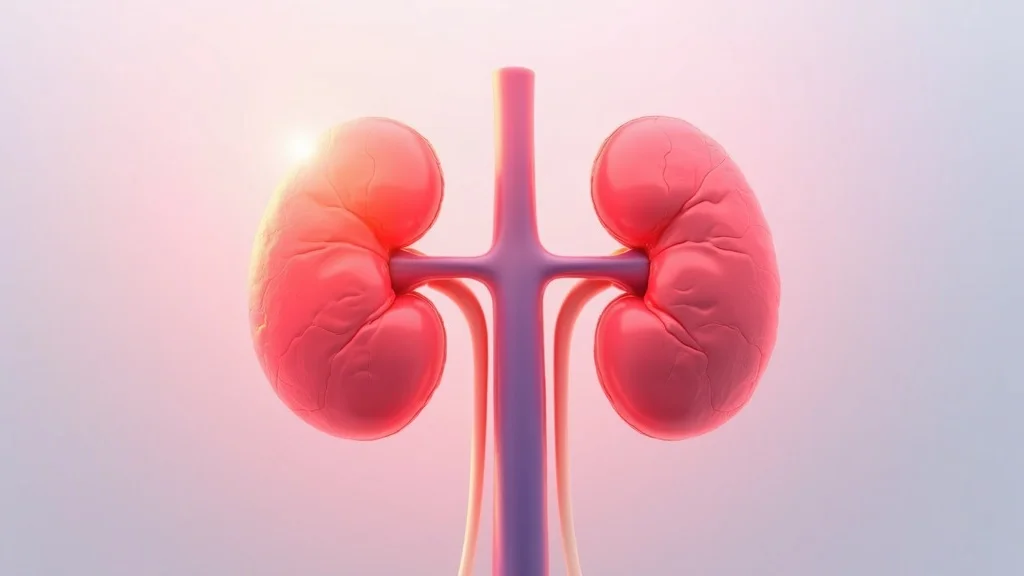
Your body is equipped with powerful filtration systems: the liver and kidneys. When functioning optimally, these organs shield you from the effects of pollutants, poor diet, and stress. Unfortunately, continuous exposure can burden these systems beyond their capacity, leaving you to feel exhausted and tired all the time.
Understanding their function is the first step to regaining your vitality. Together, the liver and kidneys work to process, neutralize, and eliminate countless toxins—keeping your internal environment safe and your energy levels steady.
The Liver’s Role in Preventing You from Feeling Tired
-
Filtering blood
-
Breaking down toxins
-
Managing hormones
-
Supporting elimination of waste
The liver is the cornerstone of your detoxification system. Every drop of blood from your digestive tract passes through it. Here, the liver breaks down a wide range of harmful substances—like chemicals, medications, and metabolic wastes—into safer compounds that can be excreted. It also helps manage hormones, which, when imbalanced, are a common cause of fatigue and leave you feeling tired all the time. As the organ responsible for over 500 vital tasks, a sluggish liver can quickly translate to chronic fatigue, poor sleep, and stubborn health symptoms that seem immune to standard fixes.
How the Kidneys Help You Avoid Feeling Exhausted
-
Regulating fluid balance
-
Filtering waste
-
Removing toxins
-
Supporting electrolyte health
Your kidneys act as the body’s fluid and electrolyte regulators. They filter out metabolic waste, maintain electrolyte balance, and remove toxins via urine. If kidney function stalls, waste products and toxins linger, contributing to a sense of being tired all the time. Kidney health is tightly tied to overall energy—supporting these organs through hydration and lifestyle choices is essential for preventing unnecessary, lingering exhaustion.
|
Comparison of Liver and Kidney Functions in Detoxification |
||
|
Function |
Liver |
Kidneys |
|---|---|---|
|
Primary Role |
Breaks down toxins and hormones |
Filters waste and removes excess substances |
|
Elimination Pathway |
Bile and stool |
Urine |
|
Hormone Management |
Regulates hormones and reduces excesses |
Balances electrolytes and fluids |
|
Other Functions |
Metabolizes medications and nutrients |
Maintains blood pressure, pH balance |
When Detox Pathways Slow Down: Why You Still Feel Tired After Trying Everything
If detox pathways become sluggish, toxins and metabolic byproducts recirculate rather than being removed. Instead of eliminating substances, your body is forced to cope with a backlog—prompting symptoms like chronic fatigue, sleep disturbances, persistent hormonal issues, and inflammation. This “holding pattern” pushes your body into survival mode, where resources get used for short-term stability instead of healing.
You may juggle various health routines, only to find that nothing sticks. That’s because genuine recovery can’t happen if the root problem—the burden on your liver and kidneys—remains unaddressed. Without strong detox support, hormonal imbalances and inflammation linger, keeping you tired all the time despite your best efforts.
Chronic Fatigue, Hormonal Imbalances, and the Onset of Fatigue Syndrome
-
Recirculating toxins
-
Persistent hormonal issues
-
Rising inflammation
-
The body in survival mode
A stalled detox process can drive multiple issues: chronic fatigue syndrome (CFS), hormonal imbalances, and ongoing low energy. Instead of simply needing more sleep or better nutrition, you might be coping with a deeper, unresolved burden. By focusing on your detox pathways—particularly the liver and kidneys—these recirculating issues can finally be cleared, breaking the cycle of fatigue syndrome and improving your quality of life.
Checklist: Signs Your Body Needs a Detox & Reset When You Feel Tired All the Time
-
Chronic fatigue (even after rest)
-
Brain fog
-
Bloating or sluggish digestion
-
Skin problems
-
Hormonal imbalance
-
Headaches
-
Difficulty with weight
-
Sensitivity to foods or chemicals
These are signals, not random annoyances. Persistent, unexplained symptoms could be your body’s way of alerting you to an internal backlog—signifying a need for deeper detox support, not just another switch in supplements or sleep routine.
Why Typical Solutions Don’t Work for Chronic Fatigue and Feeling Tired
Most conventional and even alternative solutions for chronic fatigue focus on symptom management—addressing what’s missing or fixing what’s “broken. ” Supplements may offer a temporary lift, but if your body’s elimination routes remain clogged, nothing will stick. Many people feel tired because recommendations often overlook the need to support the body’s elimination pathways—the liver, kidneys, and lymphatic system. Treating symptoms alone keeps you on the surface, rather than removing what’s truly causing your fatigue.
To break free from tired all the time cycles, you need a root-cause approach—prioritizing toxin removal and drainage so true healing can begin.
Treating Symptoms vs. Addressing Root Causes
“You can’t heal if your body is still holding on to what it needs to release.”
The bottom line: No matter how many nutrients you take, you can’t “heal” if your detox channels are blocked. Only by helping your body release burdens—rather than stacking more protocols or supplements—can you expect genuine, sustainable improvement in energy levels and wellbeing.
What a True Detox & Reset Actually Means for Chronic Fatigue Syndrome
A real detox is not about harsh cleanses, deprivation, or extreme measures. True support means nourishing your liver, keeping your kidneys hydrated, and assisting all elimination routes (like bowels, urine, and sweat) in a safe, sustainable manner. When these organs are allowed to do their work, your body’s ability to recover from chronic fatigue syndrome and daytime fatigue is significantly improved.
A gentle, guided approach is both more effective and less stressful on the body—facilitating a gradual release of toxins without adverse reactions.
Supporting Natural Detox Pathways for Sustainable Wellness
-
Gentle approaches: nourishing food, staying hydrated, and facilitating natural elimination.
Enhancing natural detox pathways is about consistency, not intensity. Focus on whole, nourishing foods, proper hydration, and healthy elimination practices. This paves the way for better hormonal balance, less chronic stress, stable energy levels, and sustainable wellbeing.

Simple Ways to Support Liver & Kidney Function—And Stop Feeling Tired All the Time
Supporting your liver and kidneys doesn’t have to be complicated. Everyday choices—like the water you drink, the food you eat, and the ways you move—matter far more than drastic detoxes or fleeting “cleanse” protocols. Your body thanks you for every supportive gesture.
Daily Habits to Overcome Fatigue Syndrome and Chronic Tiredness
-
Drink more clean water
-
Eat whole, unprocessed foods
-
Avoid unnecessary toxin exposure
To help your detox command centers, prioritize hydration and a nourishing, fiber-rich diet. Clean water helps kidneys flush out toxins; whole foods nourish the liver’s enzyme systems. Reducing processed foods and exposure to unnecessary chemicals (in food, personal care, and your environment) lifts the burden, setting your body up for success against fatigue syndrome and chronic fatigue.
Supportive Practices for Detox: Movement, Sauna, and Herbal Aids
-
Consider milk thistle, dandelion, gentle sweating, and regular movement to help elimination.
Gentle movement and regular sweating—via activity or an infrared sauna—help circulation and the elimination of toxins. Certain herbs, such as milk thistle and dandelion, provide extra support for the liver. By incorporating these gentle, natural practices, you create an environment where the liver and kidneys can free your system of what’s holding you back.

Short explainer video summarizing major causes of chronic fatigue, demonstrating how toxins and impaired detox pathways drive persistent tiredness, and providing visuals of key habits to support energy and detoxification.
The Turning Point: When the Body Finally Releases What’s Weighing You Down
There’s a pivotal moment when sluggish detox pathways begin to clear—energy returns, mental fog fades, digestive discomforts settle, and your overall well-being transforms. This is when people express what they thought was impossible:
Regaining Energy, Mental Clarity, and Balance After Detox
“Now I finally feel like myself again.”
Supporting your detox organs and unburdening your system brings not just physical relief but a restoration of your spark, clarity, and resilience.
You’re Not Broken—You’re Backed Up: Shifting the Mindset Around Chronic Fatigue and Feeling Tired
Feeling tired all the time isn’t a sign that you’re lazy, broken, or beyond hope. In fact, the body’s incredible resilience means it holds on until the burden simply becomes too much to efficiently clear.
When you reframe chronic fatigue as a signal—not a personal failure—you unlock compassion for yourself and discover empowering, actionable solutions. You don’t have to accept feeling exhausted as your “new normal. ”
It’s Not Your Fault: Addressing The Real Causes of Feeling Exhausted
Chronic tiredness is not a result of personal weakness. If you’ve found yourself wondering, “Why do I get so tired after everything I do?” or battling symptoms that medical tests can’t explain, remember: it may simply be the result of an over-burdened system—not your fault. It’s possible to feel hopeful and take steps that honor your body’s needs.

FAQs About Why You Still Feel Tired After Trying Everything
How long does it take to detox the body?
The timeframe for detox varies. Some people feel revived within days, while for others, it can take weeks or longer, especially if detox pathways were very sluggish. Supporting natural detox gradually is best—listen to your body, and keep up daily healthy habits for sustainable improvement.
Can detox help with fatigue and brain fog?
Gentle detox, focused on liver and kidney support, can be a vital step in reducing persistent fatigue and brain fog—especially when conventional changes haven’t worked. By removing toxins and aiding the body’s natural elimination, many experience improved energy, clearer thinking, and greater daily vitality.
What are the best foods for liver and kidney health?
Whole, unprocessed foods are best. Leafy greens, beets, cruciferous vegetables, berries, garlic, onions, and plenty of clean water all support liver and kidney function. Limit processed foods and high-sodium snacks to reduce additional burden on your detox systems.
People Also Ask
Why do I get so tired after everything I do?
Persistently low energy after all activities, even when you feel you’ve addressed diet and sleep, often signals that something deeper is at play. Overburdened detox pathways, unrecognized medical conditions, or underlying chronic fatigue could be the cause. It’s normal to feel tired occasionally, but ongoing exhaustion is a cue to look beyond surface solutions and evaluate internal processes, especially your liver and kidney health.
Does Parkinson’s disease make you very tired?
Yes, Parkinson’s disease can significantly increase feelings of tiredness and fatigue. This is due not only to changes in the nervous system but also because chronic illness increases the body’s overall burden, affecting sleep quality and detoxification. If you have Parkinson’s or another major health condition and feel exhausted, communicating with your healthcare professional is key.
What does ADHD fatigue look like?
ADHD-related fatigue can appear as mental exhaustion, difficulty focusing, low motivation, and a sense of being “worn out” regardless of rest. This type of fatigue connects to chronic stress, hyperarousal, and underlying metabolic imbalances, making it similar to the tiredness experienced with sluggish detox pathways or chronic fatigue syndrome.
Which organ is affected by fatigue?
Multiple organs can play a role, but the liver and kidneys are essential for managing toxins and maintaining energy. When these organs are overloaded, fatigue and other symptoms become common. Sometimes, other medical conditions (such as thyroid or cardiovascular issues) or sleep disorders like sleep apnea may also contribute.
Key Takeaways from Why Do I Still Feel Tired After Trying Everything
-
Recognize the signs that your body needs a detox and reset.
-
Support your liver and kidneys for optimal energy.
-
Understand that persistent fatigue may require a holistic, root-cause approach focused on detox pathways.
Easy, everyday habits to improve detox pathways and revitalize your energy levels.
Reimagine Your Wellness Journey
“If you’ve been trying everything and still don’t feel better, it may be time to support your body in a different way—starting with how it detoxifies and resets.”
VisitPathwaysHolistic.comor call (610) 966-7001 to begin your path toward renewed energy and health.
Conclusion: Getting to the root of why you still feel tired after trying everything means supporting your body’s ability to clear what’s been building up—giving you fresh energy, resilience, and a strong foundation for lifelong wellness.
If you’re ready to go beyond symptom management and explore a more holistic path to transformation, consider how integrative therapies can support your journey. Approaches like Conversation With Transformation Therapy offer a unique way to address both the physical and emotional layers of chronic fatigue, helping you reconnect with your body’s innate healing wisdom. Discover how this innovative therapy can complement your detox efforts and empower lasting change by visiting Conversation With Transformation Therapy. Sometimes, the next step isn’t just about what you do for your body, but how you nurture your mind and spirit along the way.