Understanding the Role of Yeast, Mold, and the Body’s Internal Balance
Imagine your body as a thriving city—bustling with unseen inhabitants, from helpful bacteria to quiet molds and diligent yeast. Most days, this internal city works in harmony, powering digestion, immunity, and recovery. But when too much sugar, stress, or environmental toxins disrupt the balance, symptoms like fatigue and brain fog can set in. This article explores understanding the role of yeast, mold, and the body’s internal balance from a holistic perspective—helping you unlock clarity and lasting well-being.
What You’ll Learn About Understanding the Role of Yeast, Mold, and the Body’s Internal Balance
-
The internal ecosystem: how microorganisms like yeast, mold, and candida albicans function within the body
-
Factors that influence microbial balance and lead to yeast overgrowth, mold exposure, or health problems
-
The holistic perspective on supporting the immune system, nervous system, and natural detox pathways
-
Strategies for addressing yeast infection, yeast infections, and candida albicans overgrowth
-
Practical steps for restoring the body’s internal balance
An Ecosystem Within: An Introduction to the Body’s Microbial Balance
Bacteria, Yeast, Mold, and candida albicans: The Hidden Players
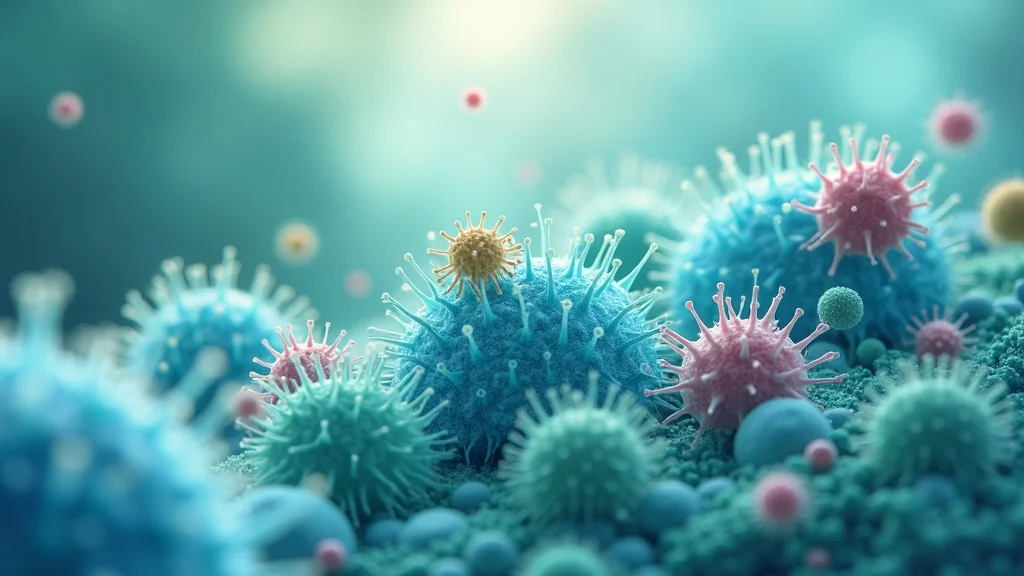
The human body houses trillions of microorganisms that shape your health daily. Bacteria help digest food and produce vitamins, while yeast and mold contribute to fermentation and nutrient assimilation. Candida albicans—a type of yeast—typically lives quietly among these communities, controlled by the body’s immune system and beneficial bacteria. Yet, these “hidden players” can become troublemakers if the environment shifts. For example, antibiotics can wipe out helpful bacteria, leaving yeast and mold free to multiply. While mold spores are more typically encountered in the environment, small quantities often reside in the body and can trigger health problems if unchecked.
Balance in this microbial world is key. When harmony exists, the immune system, nervous system, and digestion operate smoothly. When an imbalance develops, such as yeast overgrowth or mold exposure, symptoms can spiral into digestive disturbances, chronic fatigue, brain fog, and even skin rash or sinus infections. Understanding the role of yeast, mold, and the body’s internal balance is crucial for maintaining overall health, as each microbe depends on and impacts the others.
How the Body Maintains Internal Balance Against Yeast Overgrowth
The body is designed to self-regulate its microbial populations. When functioning optimally, the immune response keeps yeast, like candida albicans, and environmental mold spores in check. Physical barriers (such as the gut lining) and chemical defenses (like stomach acid and enzymes) discourage overgrowth. Gut flora—a rich network of bacteria—additionally help to outcompete invaders, keeping levels of yeast overgrowth minimal. Proper hydration, nutrient intake, and sleep all support these natural defenses.
However, lifestyle and environmental factors can tip the scales. High sugar intake feeds yeast directly, while chronic stress suppresses the immune system’s effectiveness. Environmental exposures, like water damage or poor air quality, increase mold presence and can compromise the gut barrier. When the body’s internal ecosystem is supported, symptoms are less likely to develop. Conversely, when the balance is disrupted, yeast infections, fungal infection, and other health problems are more likely to manifest.
“There’s an entire ecosystem living inside the human body. These microorganisms are not enemies—they’re partners in health. But balance is everything.”
As you consider the many factors that influence microbial balance, it’s important to recognize the foundational role of nutrition in supporting your body’s defenses. For a deeper dive into how targeted dietary choices and supplements can help restore equilibrium, explore the nutritional support strategies recommended by holistic practitioners.
When Balance Is Disrupted: Understanding the Role of Yeast, Mold, and the Body’s Internal Balance
Common Triggers for Yeast Overgrowth and Mold Exposure
-
High sugar and poor diet
-
Chronic stress
-
Environmental toxins
-
Overuse of antibiotics
-
Weakened immune system
Multiple factors can disrupt the equilibrium of your body’s internal ecosystem. High sugar diets give yeast ample fuel to quickly multiply, leading to yeast overgrowth. Chronic stress weakens immune systems, reducing the body’s natural ability to keep bacteria, yeast, and mold in balance. Environmental toxins—from air pollution to mold spores lingering after water damage—can further pressure your natural detox pathways. Meanwhile, the overuse of antibiotics is known to wipe out both harmful and beneficial bacteria, leaving room for opportunistic candida albicans and other fungi to flourish.
In addition, a weakened immune system whether from illness, chronic illness, autoimmune disease, or even lack of sleep, tips the scales in favor of fugal overgrowth. Understanding these triggers is essential to protecting and restoring your internal balance. Instead of addressing only the symptoms, targeting root causes—especially those tied to lifestyle or environment—can make a significant difference in long-term health.
Signs and Symptoms: Recognizing yeast overgrowth, mold exposure, and Health Problems

How do you know when your internal balance is off? Symptoms of yeast overgrowth and mold exposure manifest in various ways. Digestive issues like bloating, gas, and constipation are common first signals. Fatigue, persistent brain fog, mood swings, and a sense of sluggishness may indicate that candida albicans or other microbes have begun to overgrow. Visible skin conditions, such as rashes, itching, or even yeast infection in certain areas, can also be signs of imbalance.
Other subtle signs include increased sensitivities to foods and chemicals, worsening allergies, headaches, and even recurrent infections like sinus infections. Chronic issues often develop when triggers go unresolved—especially in environments prone to mold exposure or when the immune systems are consistently compromised. Recognizing these patterns early can prompt you to seek guidance and support, helping your internal environment return to balance before more severe health problems take hold.
The Connection Between Yeast Overgrowth, Brain Fog, and Chronic Fatigue
Ever feel like you’re in a mental haze, unable to focus or shaking off constant tiredness? Brain fog and chronic fatigue are hallmark symptoms associated with both yeast overgrowth (especially candida albicans) and mold exposure. When yeast, mold, or their byproducts overwhelm the body, toxins called mycotoxins are released. These substances can impair brain chemistry and neurotransmitter function, directly impacting your mood, clarity, and daily energy levels.
Fatigue sets in when the body’s resources are continually diverted to manage internal stressors or fight low-grade fungal infection, leaving less energy for daily living. For those with chronic illness or a weakened immune system, these symptoms may cycle alongside digestive upsets. Addressing understanding the role of yeast, mold, and the body’s internal balance holistically is key—supporting both gut and immune system function can dramatically improve brain clarity and overall vitality.
A Holistic Approach: Supporting Internal Balance and Natural Detox Pathways
Why Addressing Yeast and Mold May Come First in Holistic Health

Holistic practitioners often suggest that yeast overgrowth and mold exposure be addressed first—before parasite cleansing or environmental detox. The rationale? When yeast or mold populations are unchecked, they can continually generate toxins, keeping the body in a chronic state of immune vigilance. This constant burden can make additional detox efforts less effective, as the immune and detox pathways are already overtaxed. By targeting yeast and mold support initially, you create space for the body to process and eliminate other stressors more efficiently.
Approaching health in phases allows the body to detoxify at a pace it can handle. Instead of jumping straight into aggressive cleanses, beginning with gentle, focused support for gut flora and fungal balance can help prevent uncomfortable “die-off”reactions and avoid further immune system overload. This perspective underpins many holistic protocols, emphasizing foundational care and gradual, sustainable change for best results.
Detox in Phases: Yeast and Mold Support, Parasite Cleansing, Environmental Detox

Effective detoxification is rarely a one-step process. Many practitioners advocate for a phased approach that begins with yeast and mold support (probiotics, enzymes, dietary shifts), moves into parasite cleansing as needed, and finishes with targeted environmental detox. This layered strategy reduces the risk of overwhelming the system and allows for ongoing assessment of symptoms. For example, the initial phase may focus on restoring gut integrity and immune strength through diet and supplementation. The next phase can add in gentle antiparasitic or antifungal supports, and only later address environmental toxins or heavy metals.
Benefits of this “one layer at a time” approach include better tolerance, fewer harsh side effects, and an increased sense of control. Environmental toxins—like mold spores from water damage or poor air quality—are best tackled once the body’s foundational defenses are back online. This form of respecting the body’s rhythms is central to understanding the role of yeast, mold, and the body’s internal balance through a holistic lens.
Supporting Gut and Immune System Function During Detox
The gut and the immune system work together to maintain your body’s health. During detox—especially when combatting fungal infection or yeast overgrowth—supporting these systems is critical. Consuming fermented foods, fiber-rich veggies, or choosing probiotics can help repopulate beneficial bacteria. Enzymes assist in breaking down toxins for easier elimination, while nutrient-dense foods provide the building blocks the immune system needs to function optimally.
Hydration is also crucial; water flushes toxins and supports natural elimination through the kidneys, lymph, and bowels. Supplements like vitamin C or milk thistle may be added under the supervision of a healthcare provider or at a reputable medical center to optimize liver function. Prioritizing rest, managing stress, and creating supportive routines further nurture your gut-immune partnership, making the entire process smoother and less overwhelming.
The Use of Probiotics, Enzymes, Hydration, and Rhythmic Cleansing Cycles
Pulling all these pieces together, a successful protocol for understanding the role of yeast, mold, and the body’s internal balance often includes:
-
Probiotics to restore and diversify gut flora
-
Enzymes to aid digestion and detoxification
-
Hydration to support toxin elimination
-
Cycles of support and rest (rhythmic cleansing) rather than continuous detox
Rhythmic cleansing—alternating active protocols with periods of recovery—can let the body recalibrate after each phase. This method seeks to align with the body’s natural healing rhythms, giving its immune systems and detox pathways time to catch up. Choosing this gentle, respectful approach maximizes benefits and minimizes risk or discomfort.
Personalizing Your Approach: Individual Needs and Working with a Care Provider
Assessing Your Health Status, Sensitivities, and Lifestyle
No two people are exactly alike when it comes to their health journey. Sensitivities, underlying conditions, nutrition, stress load, and even day-to-day habits influence how your body reacts to yeast overgrowth, mold exposure, and detox protocols. Taking the time to assess current health—perhaps with an initial consultation at a medical center, lab tests, or a health diary—can reveal points of vulnerability. Notice your response to dietary changes, new supplements, and environmental shifts so you can adjust strategies as needed.
Pay attention to factors such as your response to fibers and probiotics, how quickly you recover from sickness, or whether you experience recurring signs like brain fog or skin rash. Personalized protocols, guided by mindful observation or in partnership with a holistic care provider, are the most sustainable and safer solution for restoring internal balance.
The Importance of Consulting a Healthcare Provider or Medical Center
“There is no one-size-fits-all protocol in holistic care. Listen to your body and seek guidance from a qualified care provider.”

While many steps to rebalance your internal ecosystem can be taken at home, working with a qualified healthcare provider or practitioner—ideally one familiar with integrative or functional medicine—offers important benefits. Providers can help distinguish between yeast infections, bacterial infections, or autoimmune disease that may impact your healing plan. They can tailor treatment plans to your history, monitor for adverse reactions, and adapt strategies if new symptoms arise. Some issues, especially chronic or systemic infections, may require targeted interventions by medical professionals, such as prescription antifungal drugs or specialized diagnostic tests available at medical centers.
Always consult a care provider before drastic dietary or supplement shifts, particularly if you have existing chronic illness or are on medication. Their oversight ensures that your approach to understanding the role of yeast, mold, and the body’s internal balance is both safe and effective in the long run.
The Nervous System, Immune System, and Their Role in Addressing Yeast Overgrowth and Mold Exposure
Understanding Interactions: How the Nervous System and Immune System Are Impacted
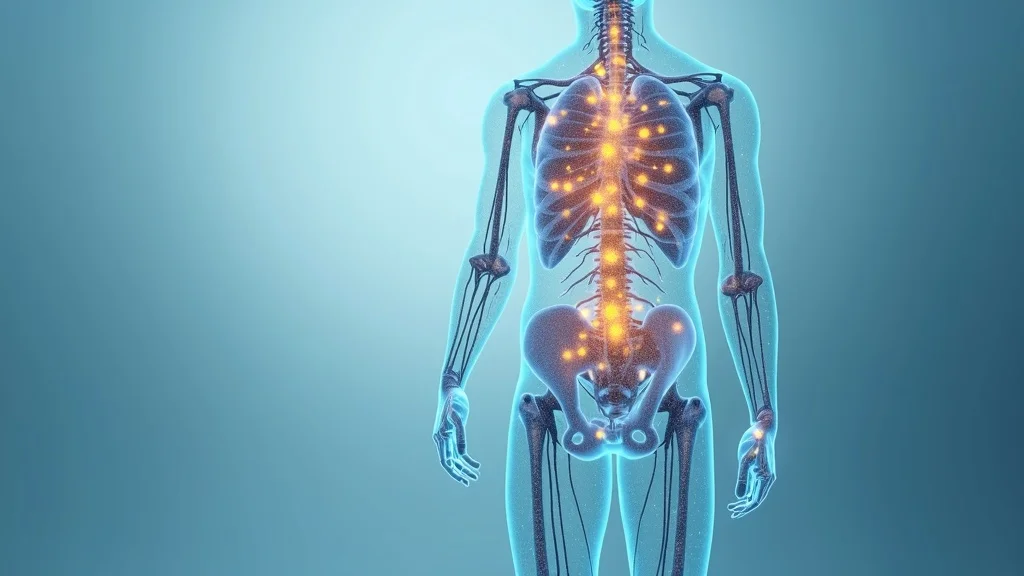
The nervous system and immune system share an intricate relationship with your body’s microflora. Chronic yeast overgrowth and mold exposure can stimulate the immune response, causing inflammation that affects the brain and nerves. Incoming toxins—like mycotoxins created by mold—are capable of crossing the blood-brain barrier, triggering symptoms like brain fog, memory lapses, or changes in mood. When the immune system is chronically activated, it may become less responsive to new threats, while the nervous system remains on high alert, perpetuating cycles of stress and fatigue.
Conversely, ongoing stress suppresses immune function, making it easier for opportunistic organisms like candida albicans to flourish. Maintaining internal balance helps buffer both systems, promoting better emotional regulation, resilience to infection, and overall health. Mind-body practices (meditation, restorative movement, mindful breathing) can play a pivotal supportive role alongside dietary and environmental changes.
Autoimmune Disease Considerations with Yeast and Mold
If you have an autoimmune disease, your immune system already works overtime, sometimes attacking your own tissues in error. Yeast and mold exposure can act as additional immune triggers, worsening inflammation and potentially complicating disease management. These exposures may increase the likelihood of health problems like skin rash, joint pain, or increased fatigue in susceptible individuals.
Working closely with a care provider or medical center is particularly important if you have a history of autoimmune conditions. Specialized support can balance the need for detoxification with immune modulation—ensuring interventions help rather than hurt. This highlights why personalized advice, regular monitoring, and caution with new protocols are essential parts of a holistic healing journey.
Candida Albicans, Yeast Overgrowth, and Mold Exposure: Common Concerns
Yeast Infection vs. Yeast Infections and Candida Albicans Overgrowth
There’s a difference between a localized yeast infection (such as those affecting the mouth, skin, or genitals) and widespread candida albicans overgrowth, often called candidiasis. The latter is typically associated with more diffuse symptoms—digestive upset, chronic fatigue, mood changes, and persistent brain fog. Localized infections often respond to topical or oral antifungals, while systemic overgrowth may require a more comprehensive, root-cause approach.
Understanding the narrative of your symptoms can help you and your healthcare provider distinguish between isolated infections and body-wide imbalance. This distinction informs treatments, affecting whether to target symptoms directly or adjust broader lifestyle and dietary habits to restore overall harmony.
How mold exposure Impacts Overall Health and Triggers Health Problems
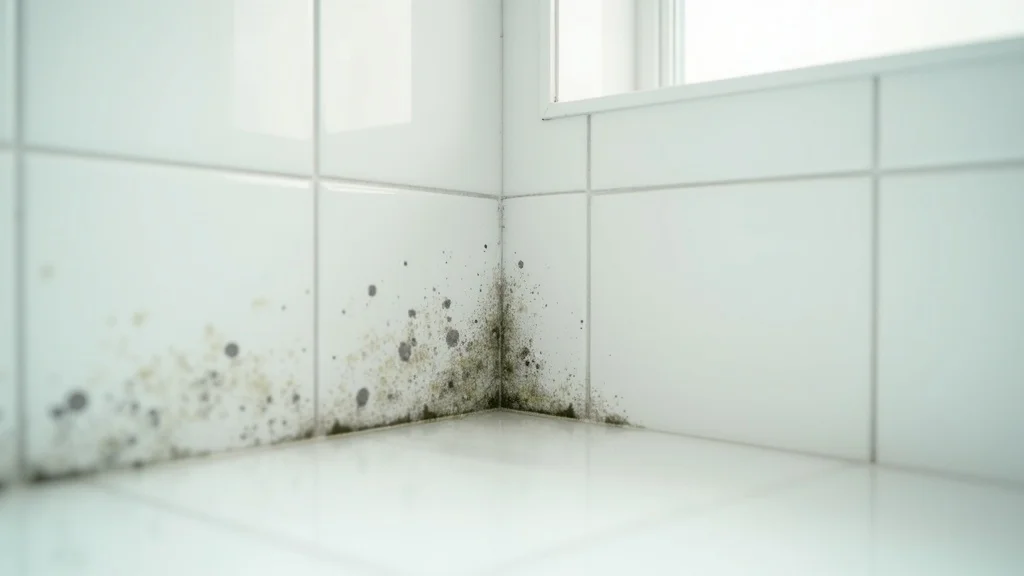
Mold exposure—whether inhaled or encountered through food or the environment—can have serious consequences for sensitive individuals. Even healthy immune systems can be overwhelmed by high or prolonged exposure to mold spores, often originating from water damage or damp indoor environments. Over time, this may lead to respiratory issues, headaches, skin problems, and aggravate existing conditions like asthma or autoimmune disease.
Mold byproducts (mycotoxins) add another layer of complexity, taxing the liver and sometimes impairing nervous system and cognitive function, leading to chronic brain fog or psychological symptoms. Holistic protocols addressing air quality (HEPA filters, reducing humidity, remediating water damage), as well as gentle support for the liver and gut, are especially beneficial for comprehensive recovery. Always consider environmental factors if symptoms persist after initial interventions.
Role of Diet, Stress, and Environmental Factors in Fungal Overgrowth
Three essential pillars—diet, stress, and environment—form the foundation of microbial balance. Diets high in sugar and low in nutrients fuel yeast overgrowth; processed foods and alcohol can disrupt healthy gut flora, while insufficient fiber impairs regular elimination of toxins. Chronic stress increases cortisol output, which suppresses immune defenses and paves the way for candida albicans and molds to overgrow.
Environmental factors ranging from contaminated air to poor water quality or hidden household mold also challenge the body. Making small, sustainable adjustments—improving nutrition, managing stress, air purification, and actively monitoring living conditions—can have far-reaching effects on internal balance. Regular re-evaluation ensures your strategies stay effective and responsive to your current needs.
Gentle Detox Practices for Supporting the Body’s Natural Balance
Diet, Probiotics, Fiber, and Liver Support: Key Strategies

Supporting your internal ecosystem is best done gently and consistently. Start with a whole-foods diet, emphasizing vegetables, lean proteins, healthy fats, and plenty of fiber to feed beneficial gut bacteria and encourage efficient elimination. Incorporate probiotics—in supplement form or through foods like yogurt, kefir, or unpasteurized sauerkraut (Much more potent, Pathways Cultured Veggies)—to replenish helpful flora that keep candida albicans and yeast overgrowth in check.
Fiber-rich foods such as leafy greens, or chia seeds act as natural “scrubbers,” reducing toxin reabsorption and reducing the burden on the gut lining. Liver support is equally important; foods high in phytonutrients (like cruciferous vegetables, turmeric, and dandelion) can aid the detoxification process, especially after mold exposure. All these strategies work best when implemented gradually so your body has time to adjust and respond.
Cyclical Approaches: Rhythmic Cleansing Versus Constant Detox
Not all detox practices are created equal. A cyclical or rhythmic approach—alternating periods of active support with rest—mirrors the body’s natural healing patterns. For example, you might emphasize gentle detoxification techniques for a few weeks, then shift to a maintenance phase focused on nourishment and relaxation. This method prevents overburdening your nervous system and allows the immune system to recover in between phases of active intervention.
Constantly pushing for more or faster results can backfire, overwhelming your system and causing setbacks. By observing your response to each cycle and giving the body time to recalibrate, you foster a deeper, more sustainable return to health. This aligns closely with the holistic philosophy at the heart of understanding the role of yeast, mold, and the body’s internal balance.
Tips for Gradual, Sustainable Changes to Restore Balance
-
Increase hydration
-
Emphasize nutrient-dense foods
-
Manage stress
-
Use gentle detox supports
-
Observe changes over time
Building balance is a step-by-step process. Begin by drinking more water to support toxin removal and overall cellular health. Fill your meals with colorful, nutrient-dense ingredients—leafy greens, berries, whole grains—to give your body the vitamins and minerals it needs. Practice stress management using techniques such as meditation, deep breathing, or regular movement, all of which have a measurable impact on immune system efficiency. Choose only one or two gentle detox supports at a time (like probiotics or a new vegetable), and try to stick with the changes long enough to observe how your body responds. Documenting your progress helps you spot patterns and makes it easier to adapt if needed—always with the support of a qualified care provider when introducing new strategies.
A Balanced Perspective: Supporting the Body Instead of Fighting It
Observing Symptoms Without Fear and Avoiding Extreme Protocols
It’s easy to become alarmed by symptoms or advice that frames candida albicans and mold as relentless enemies to be eradicated. However, a balanced approach focuses on support rather than battle. Observe your symptoms nonjudgmentally, using them as feedback rather than as a cause for alarm. Resist the pull toward extreme protocols or constant self-cleansing—these can do more harm than good by destabilizing your natural rhythm.
Empowerment comes from information and self-awareness, not anxiety. Commit to ongoing learning and gentle action so that you build resilience from within. This philosophy nurtures a healthy relationship between body and mind, fostering restorative change over time and creating the foundation for lasting wellness.
Healing as Regulation, Not War: Focusing on Support for Internal Balance
Healing should not resemble a battle fought at all costs. Instead, think of it as a process of regulation—realigning and supporting your body with what it truly needs. Holistic health centers around the idea that, when given the right support, your system is self-healing by design. The objective: not to chase every microbe with potent drugs or treatments, but to foster a state where your immune system and nervous system function harmoniously, minimizing the risk of yeast overgrowth and mold exposure.
If you find yourself feeling stuck, overwhelmed, or unsure, remember to pause and reassess. Sometimes the next step is to do less—rest, nourish, and trust in your body’s innate ability to recover, especially when supported with intention and care.
People Also Ask
What are signs that you have too much yeast in your body?
Classic signs of yeast overgrowth include digestive issues, brain fog, fatigue, recurrent yeast infections, skin problems, and heightened sensitivity to foods and chemicals. These may also overlap with mold exposure symptoms.
How do I clear my body of Candida, yeast, and mold?
Supportive strategies include restoring the gut environment with probiotics, reducing sugar and processed foods, improving detox pathways via hydration and fiber, and seeking guidance from a healthcare provider to ensure a safe approach.
How did people in Bible times get yeast?
In ancient times, yeast was naturally present in the environment and used for fermentation, especially in breadmaking, through wild yeast and natural starters.
What is the relationship between yeast and mold?
Both yeast and mold are types of fungi. Yeast typically refers to unicellular fungi (like candida albicans), while mold consists of multicellular filaments. Both can exist in the body and environment, and both can contribute to health problems if overgrown.
Table: Factors Influencing Yeast, Mold, and the Body’s Internal Balance
|
Factor |
Impact on Balance |
Notes |
|---|---|---|
|
High Sugar Diet |
Promotes yeast overgrowth |
Reduce processed sugars |
|
Chronic Stress |
Weakens immune system |
Prioritize stress management |
|
Antibiotic Use |
Disrupts gut flora |
Use only as directed |
|
Environmental Toxins |
Increases mold exposure |
Purify environment |
|
Weakened Immunity |
Enables microbial imbalance |
Support immune system |
FAQs on Understanding the Role of Yeast, Mold, and the Body’s Internal Balance
How does stress affect the body’s balance of yeast and mold?
Chronic stress can lower immune function, making it easier for yeast, mold, and candida albicans to overgrow, and often leads to brain fog and health problems.
Is it possible to restore balance naturally without medication?
Many holistic approaches aim to restore internal balance using dietary changes, gut support, and lifestyle modifications, but always consult a healthcare provider before making changes.
Do all people have yeast and mold in their bodies?
Yes, small amounts of yeast like candida albicans and occasional mold spores are common within the human body and only cause health issues when they proliferate.
What is the role of the immune system in preventing overgrowth?
The immune system is key in preventing yeast overgrowth and mold exposure complications by keeping microbial populations in check.
Key Takeaways About Understanding the Role of Yeast, Mold, and the Body’s Internal Balance
-
The body’s ecosystem relies on balance to function optimally
-
Disruptions from diet, stress, or toxins can lead to yeast overgrowth and mold exposure
-
Holistic support focuses on working with—not against—the body
-
Personalization and qualified guidance are essential
-
Sustainable, gradual lifestyle changes make the greatest long-term difference
Final Thoughts: Building Balance and Clarity
“Your body communicates its needs. Sometimes, the next step is not to do more, but to support your system with care and intention.”
If you’re inspired to take your wellness journey further, consider how seasonal changes and foundational nutrients can impact your body’s resilience. Discover why prioritizing protein and minerals is especially vital during challenging times by reading this guide to staying strong through winter with optimal nutrition. By layering these advanced strategies onto your holistic approach, you’ll be better equipped to maintain internal balance and thrive year-round.