Unlock the Secret to Healthy Bowel Elimination Today
Imagine waking up each day feeling lighter and more energized, your body working in complete harmony—often, the secret lies in a healthy bowel. Many of us hardly discuss our bowel habits, yet their patterns reveal more about our overall well-being than we realize. What if understanding healthy bowel elimination could transform not just your digestion but your total health? This comprehensive guide invites you to learn, assess, and optimize your body’s most fundamental process with support from PathwaysHolistic.com.
Welcome to Your Healthy Bowel Elimination Journey
Welcome to a refreshing approach to digestive health—one that places education, self-empowerment, and holistic support at the forefront. Healthy bowel elimination isn’t about suffering in silence or hoping discomfort goes away. Instead, it’s about understanding what’s normal for you, making informed lifestyle choices, and knowing when to seek guidance. Through engaging education and interactive self-assessment, you can unlock a new level of wellness and confidence in managing your everyday health.
“Healthy elimination is one of the clearest windows into your body’s overall health.”
What You’ll Learn on Your Healthy Bowel Elimination Journey
-
How to identify normal bowel movements
-
What the Bristol stool scale reveals about your health
-
The connection between stress, emotions, and healthy bowel elimination
-
Lifestyle habits that support healthy bowel elimination
-
Warning signs to seek professional help
-
How PathwaysHolistic.com can support your digestive wellness
Understanding Normal Bowel and Healthy Bowel Elimination
What is a Normal Bowel Movement?

A normal bowel movement is a sign that your digestive system is functioning efficiently. While everyone’s body is unique, most people experience regular bowel movements ranging from three times a week to three times a day. Frequency can differ without causing health concerns, but it’s crucial that stool is passed comfortably and completely, without pain or excessive straining. The appearance and consistency of your stool are key indicators; ideally, your stool should be smooth, soft, and form a gentle, sausage-like shape according to the Bristol stool chart. After elimination, you should feel a sense of relief and completeness, with no urge for further evacuation.
-
Frequency of normal bowel movements
-
Stool appearance and consistency
-
Sense of complete elimination
-
Minimal need for straining
-
Normal bowel movement habits
Interactive: Is Your Bowel Movement Normal?
People often wonder what counts as “normal” when it comes to bowel movement frequency, stool appearance, and the elimination process itself. The truth is, variation exists, but there are helpful markers to observe. For example, asking yourself whether you frequently need to strain, whether your stool floats or sinks, or whether repeated wiping is the norm can reveal important clues. Ideally, passing a normal bowel movement should be a smooth, quick, and comfortable experience—lasting only a few minutes and requiring minimal cleanup. Answering these questions honestly helps create a baseline for your digestive wellness, better equipping you to identify changes that may require further attention.
-
How often should you have a bowel movement?
-
Should healthy stool float or sink?
-
Is repeated wiping normal?
-
How long should elimination take?
For those interested in taking a more proactive approach to digestive wellness, exploring nutritional support strategies can provide practical guidance on optimizing your diet for better bowel health. These approaches often complement the foundational habits discussed here, offering tailored recommendations for fiber intake, hydration, and overall gut balance.
Meet Your Digestive System: How Healthy Bowel Elimination Happens
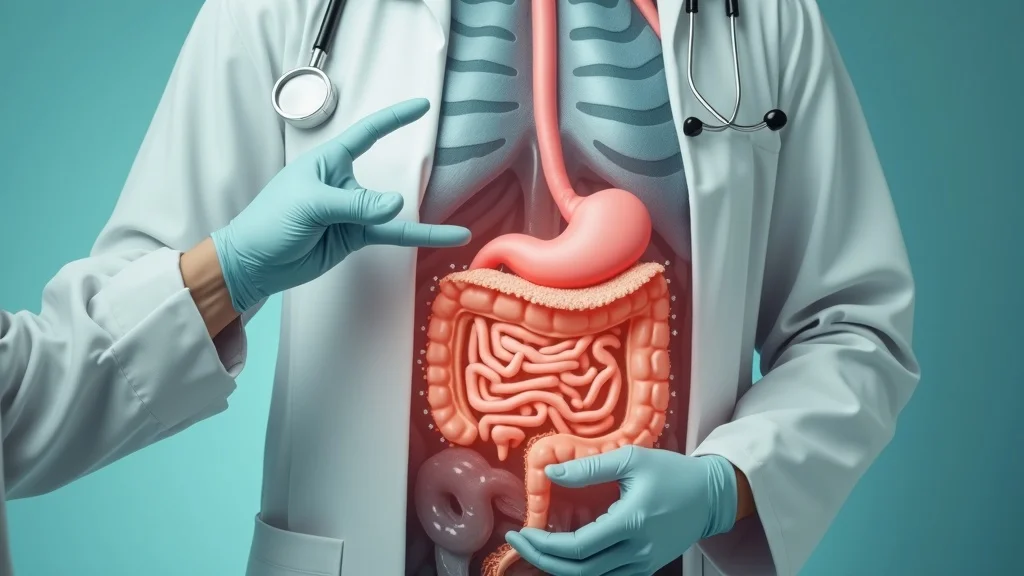
Your digestive system is a masterpiece of coordination, working tirelessly to ensure nutrients are absorbed and waste is efficiently expelled. The process begins in the mouth, where food is chewed and mixed with saliva, initiating the breakdown of nutrients. Once swallowed, food travels to the stomach, where acids and enzymes further digest it before it reaches the small intestine. There, the body absorbs essential nutrients. Leftover waste continues into the colon, where water is reabsorbed and stool forms, leading to the final step—elimination through the rectum. When each part functions harmoniously, healthy bowel elimination becomes natural and effortless, supporting your “normal bowel” experience daily.
-
Mouth: Initial breakdown
-
Stomach: Digestion begins
-
Small Intestine: Nutrient absorption
-
Colon: Water reabsorption and stool formation
-
Rectum & Elimination: Final steps
The Bristol Stool Scale: A Tool for Assessing Healthy Bowel Elimination
What the Bristol Stool Scale Tells Us

One of the most effective tools for evaluating your bowel habits is the Bristol stool scale. This medical chart categorizes stool into seven types, ranging from hard, difficult-to-pass lumps to watery stools. Each stool type provides insight into your digestive health and can signal whether your body is digesting foods properly or if there’s a potential issue requiring attention. Using a stool chart takes the guesswork out of interpreting changes in your bowel movements, empowering you to spot irregularities early and address them with confidence, either through lifestyle adjustments or consultation with a care provider.
|
Bristol Stool Scale Types, Characteristics, and Health Implications |
||
|
Type |
Description |
Health Implication |
|---|---|---|
|
Type 1 |
Separate hard lumps, like nuts |
May indicate constipation or low daily fiber intake |
|
Type 2 |
Sausage-shaped but lumpy |
Possible early constipation, may need more water or fiber |
|
Type 3 |
Like a sausage but with cracks on the surface |
Generally normal bowel movement |
|
Type 4 |
Like a sausage, smooth and soft |
Ideal, healthy bowel movement |
|
Type 5 |
Soft blobs with clear-cut edges |
Lacks some fiber but still within normal range |
|
Type 6 |
Fluffy pieces with ragged edges, mushy |
May indicate mild diarrhea or digestive upset |
|
Type 7 |
Watery, no solid pieces |
Diarrhea, may need care provider consultation |
Dietary Fiber, Water, and the Impact on Normal Bowel Movements
Dietary Fiber and Fiber Supplements for Healthy Bowel Elimination
Dietary fiber is essential for regular bowel movements and the overall health of your digestive system. Soluble fiber, found in foods like oats, apples, and beans, absorbs water and forms a gel-like substance, making stool softer and easier to pass. Insoluble fiber, present in whole grains, nuts, and many vegetables, adds bulk and helps food move swiftly through the gut. If your diet lacks fiber, fiber supplements offer a convenient boost, though natural sources are generally preferred. Simple ways to increase dietary fiber include adding fruits and veggies to every meal, choosing whole grain breads, and snacking on raw nuts. Consistent, adequate fiber intake not only prevents constipation but also supports colon health and may lower your risk for colorectal cancer.
-
How dietary fiber promotes regular bowel movements
-
Types of fiber (soluble vs insoluble)
-
Role of fiber supplements
-
Simple ways to increase dietary fiber
Hydration: The Unsung Hero of Normal Bowel Function

While dietary fiber often takes the spotlight, hydration is equally crucial for healthy bowel elimination. Water keeps stool soft and supports smooth movement through the colon, reducing the need to strain and helping to maintain a regular elimination pattern. Without enough fluids, stools can become hard, compact, and difficult to pass, leading to discomfort and potential complications like fecal impaction. Aim to drink water consistently throughout the day and pair it with fiber-rich foods for optimal digestive health. Simple tips for staying hydrated include carrying a reusable water bottle, infusing water with lemon or cucumber for flavor, and monitoring the color of your urine for clues about hydration levels.
-
Importance of water for healthy stool consistency
-
Tips for staying hydrated
Lifestyle Factors That Support Healthy Bowel Elimination
Physical Activity and Normal Bowel Movements

Physical activity is a proven, gentle driver of regular bowel movements. Engaging in movement—whether walking, swimming, cycling, or practicing yoga—stimulates the muscles of the intestines and colon, supporting effective stool passage. Even small increases in daily movement can promote regularity and reduce the risk of constipation. The best types of physical activity are those you enjoy and can perform consistently. Aim for at least 30 minutes of moderate exercise most days of the week, and notice how your body responds; increased physical activity often leads to more predictable, comfortable bowel habits.
-
How movement aids regularity
-
Best types of physical activity
Sleep, Stress, Medications, and Other Influences on Bowel Movements
A well-functioning digestive tract depends on more than nutrition and exercise. Sleep quality and emotional health are often-ignored influences on healthy bowel elimination. Poor or inconsistent sleep can disrupt your body’s natural rhythms and slow bowel motility. Stress and anxiety affect muscle tension, especially in the gut, and may be linked to digestive upsets or sudden changes in elimination patterns. Some medications—like certain painkillers, antacids, and antidepressants—can influence bowel health. Additionally, your living and professional environments play a role; disruptions in routine, uncomfortable restrooms, or irregular meal times may hinder regular elimination. Taking a holistic view and addressing these factors supports both your gut and overall wellness.
-
Why sleep quality matters
-
Effects of stress and emotional health
-
Possible medication impacts
-
Environmental factors for healthy bowel elimination
Emotions, the Gut-Brain Connection, and Healthy Bowel Elimination
How Your Emotions Impact Bowel Movements

Emotional health and gut function are intimately connected through the gut-brain axis. Stress, anxiety, fear, and trauma—each can influence bowel function by altering blood flow, muscle tension, and hormone activity within the digestive tract. Many individuals notice changes in their bowel movements in response to emotional distress, such as constipation during anxiety or diarrhea with acute stress. Understanding this connection empowers you to explore emotional healing as a tool for digestive well-being, pairing mindfulness, relaxation techniques, and self-care with foundational lifestyle changes for a whole-person approach to healthy bowel elimination.
-
Stress, anxiety, and their influence on normal bowel movement
-
Trauma, grief, and gut function
-
Understanding the gut-brain axis
“Our digestive tract is closely connected with the nervous system. Emotional experiences can profoundly affect healthy bowel elimination.”
Recognizing Warning Signs: When to Seek Professional Help for Bowel Movements
Green, Yellow, and Red Flags for Normal Bowel Movements
It’s important to recognize the difference between normal bowel variations and warning signs that may necessitate evaluation by a care provider. Green flags represent healthy symptoms—regular movements, soft stool, minimal straining. Yellow flags suggest it’s time to pay attention or make lifestyle changes, such as chronic constipation, minor but persistent discomfort, or changes in frequency. Red flags require prompt medical attention and include blood in the stool, unexplained weight loss, black or tarry stools, persistent pain or urgency, and chronic changes in your bowel movements. Early consultation with your health care provider can make a critical difference in resolving potential underlying issues and supporting your digestive health.
-
Symptoms that are typically healthy
-
Symptoms that may need attention
-
Urgent signs requiring immediate care
-
Blood in stool
-
Unexplained weight loss
-
Black/tarry stool
-
Persistent pain or urgency
-
Chronic changes in bowel movements
Self-Assessment: Your Healthy Bowel Elimination Quiz
Self-awareness is the cornerstone of lasting digestive health. Evaluate your bowel habits by reflecting on the frequency and consistency of your bowel movements, your reliance on laxatives, your tendency to strain, and the emotional context of your symptoms. Are your movements regular, or do stress and environment provoke changes? Do you ever leave the bathroom feeling incomplete? Honest answers reveal patterns and highlight areas for improvement or follow-up. This simple quiz helps you act early and foster a proactive relationship with your digestive system.
-
Frequency and consistency of your bowel movements
-
Use of laxatives or need to strain
-
Relationships between stress and digestion
-
Signs of incomplete elimination
Your Personalized Digestive Wellness Score and Next Steps
|
Digestive Wellness Score Breakdown |
||
|
Factor |
Your Score |
Healthy Range |
|---|---|---|
|
Hydration |
80% |
75-100% |
|
Fiber |
65% |
70-100% |
|
Stress |
42% |
<40% stress |
|
Movement |
70% |
65-100% |
|
Overall Digestive Wellness |
69% |
70-100% |
-
Top three actionable recommendations to improve healthy bowel elimination
-
How your score compares to healthy standards
How PathwaysHolistic.com Can Support Your Healthy Bowel Elimination
Explore Colon Hydrotherapy and Holistic Digestive Support
PathwaysHolistic.com delivers a truly holistic approach to digestive health. Services include colon hydrotherapy—a gentle, deeply cleansing procedure designed to support regular elimination by removing waste buildup and balancing the gut environment. Nutritional counseling is available to help you optimize your daily fiber intake and select foods that support healthy bacteria and promotecomfort. Emotional healing therapies focus on the mind-gut connection, using proven techniques to reduce stress and its impact on the digestive system. At Pathways, every care plan is carefully tailored for your unique physiology, lifestyle, and emotional landscape, empowering you to enjoy vibrant, lasting bowel health.
-
Overview of colon hydrotherapy
-
Nutritional counseling for digestive health
-
Emotional healing and the mind-gut connection
-
Personalized holistic approach at Pathways
“Personalized, holistic care can help you achieve and maintain healthy bowel elimination for a lifetime.”
People Also Ask
What is the best way to flush out your bowels?
-
Natural methods, such as increasing water and dietary fiber intake, are highly effective. Consistent physical activity can stimulate bowel movement, helping prevent constipation. If issues persist, consult your care provider for personalized advice.
How many pounds of feces can your colon hold?
-
This varies by individual, depending on bowel movement frequency and anatomy. It’s more important to focus on the regularity and comfort of your elimination rather than specific weight.
What promotes normal bowel elimination?
-
A balanced diet rich in fiber, proper hydration, regular physical activity, and proactive stress management all support healthy, consistent bowel movements.
What is the 3-3-3 rule for bowel movement?
-
This guideline suggests aiming for three meals daily, three servings of fiber, and a bowel movement at least every three days to support regular bowel movements and consistent digestive health.
Frequently Asked Questions on Healthy Bowel Elimination
-
Can stress really alter healthy bowel elimination? Yes. Stress activates nervous system pathways that influence digestive muscle activity and gut hormone levels, often leading to constipation or diarrhea.
-
When should I worry about changes in my bowel movements? Sudden, persistent, or severe changes—especially with blood, pain, or significant weight loss—should prompt a discussion with your health care provider.
-
Are fiber supplements as beneficial as natural fiber? Fiber supplements can aid regularity, but a diet rich in whole plant foods offers more well-rounded digestive health benefits, including vitamins and prebiotics.
-
What role does the gut-brain connection play in elimination? The gut-brain axis affects gut motility, secretions, and pain, meaning stress and strong emotions can directly alter your bowel habits.
Key Takeaways for Achieving Healthy Bowel Elimination
-
Healthy bowel elimination is a vital sign of overall wellness
-
Understanding your normal patterns helps spot problems early
-
Hydration, fiber, and movement are foundational for normal bowel movements
-
Emotions and stress play a major role in gut health
-
Professional evaluation is advised for persistent or severe changes
Ready to Optimize Your Healthy Bowel Elimination?
-
Visit PathwaysHolistic.com or call (610) 966-7001 for expert, holistic digestive health support.
If you’re inspired to take your digestive wellness to the next level, consider exploring the broader benefits of detoxification and advanced gut health practices. Our in-depth guide on colon hydrotherapy for total detox reveals how this gentle therapy can support not only regular elimination but also whole-body vitality. Discover how integrating holistic detox strategies can help you feel lighter, more energized, and empowered in your health journey. Dive deeper into the science and experience of cleansing, and unlock new possibilities for lifelong digestive balance.